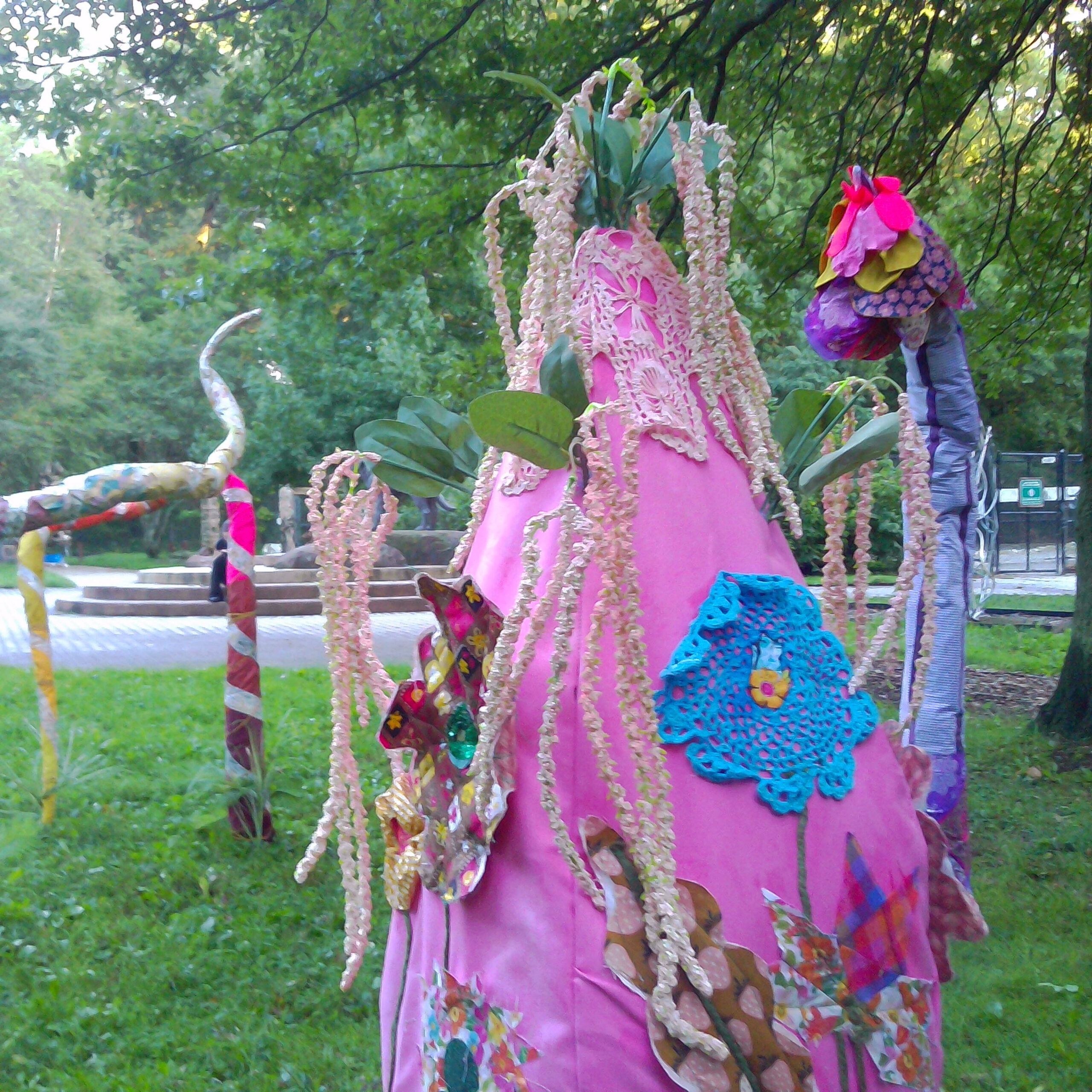
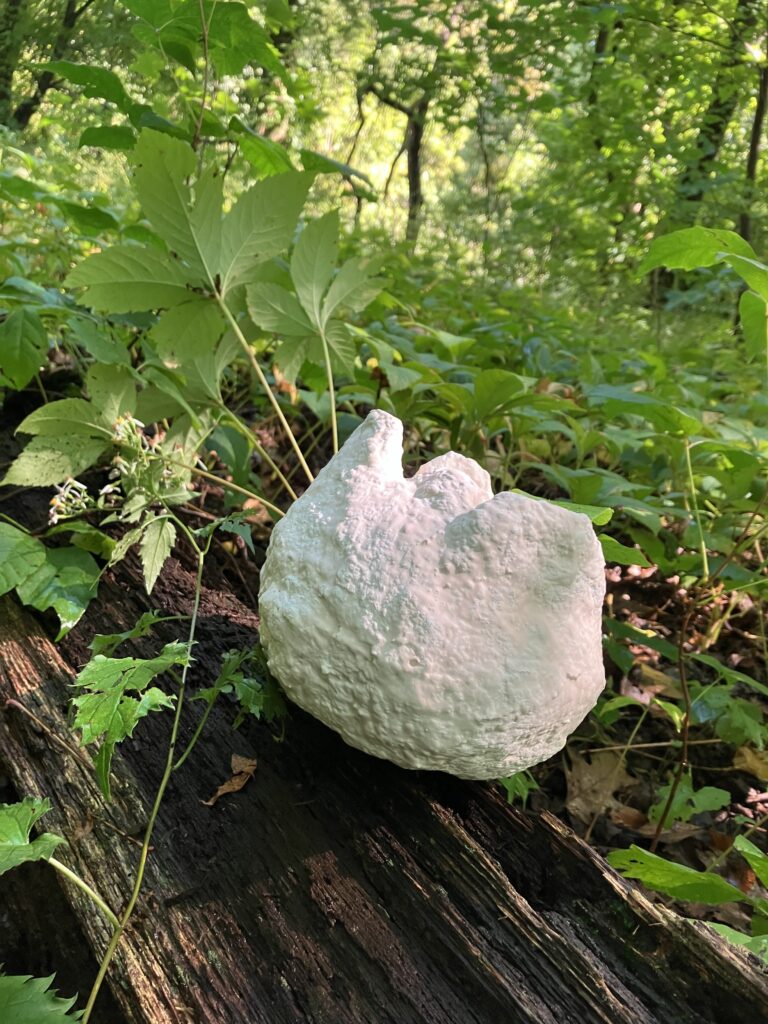
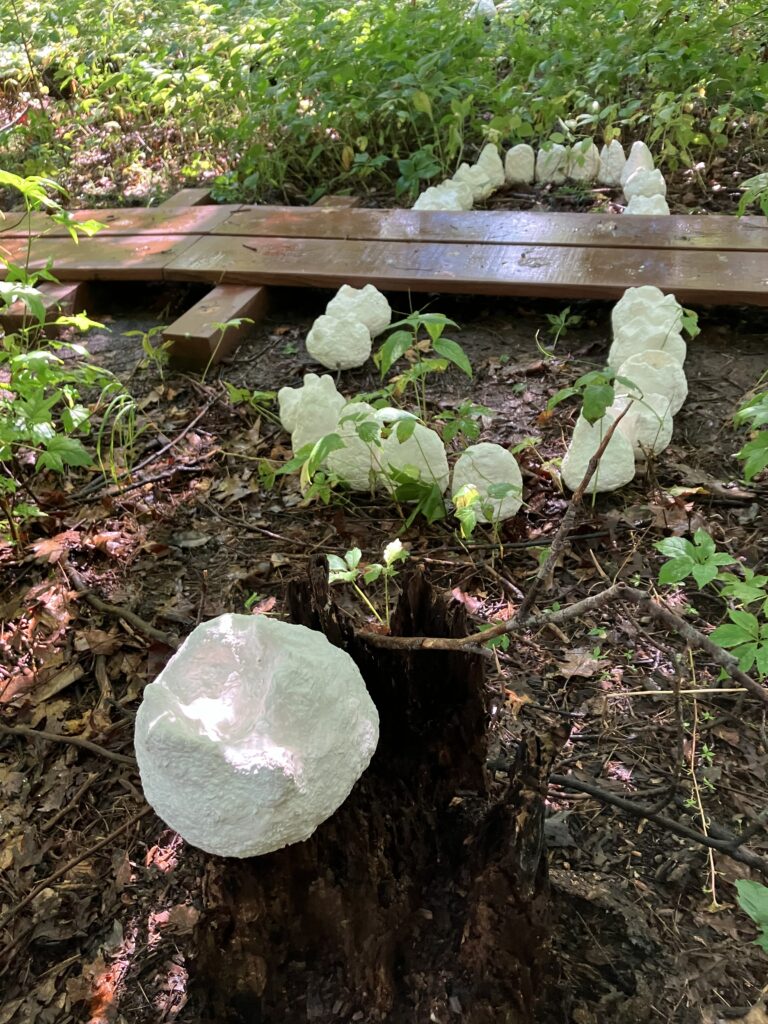
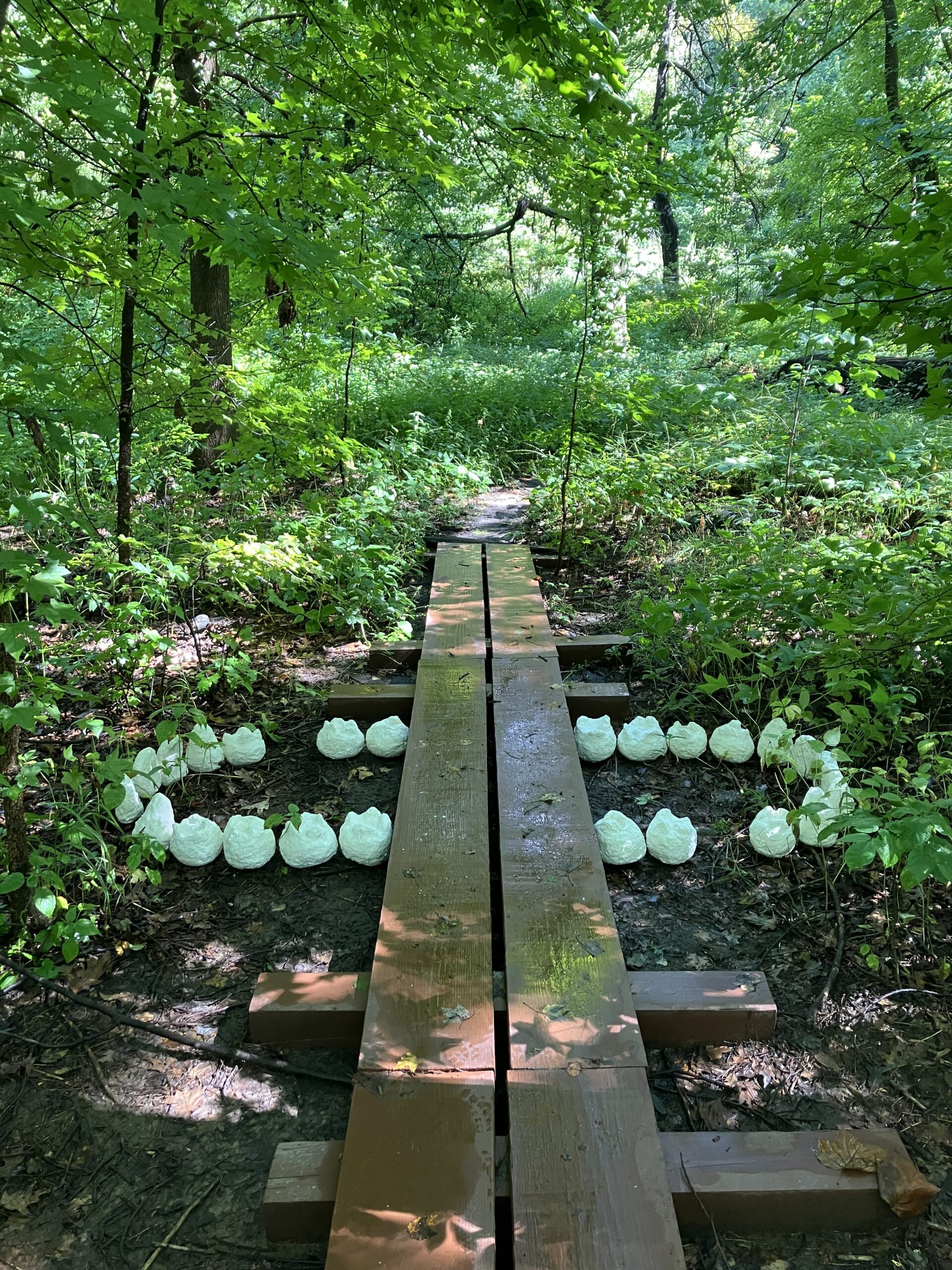
Welp. It started with a deeply sentimental concept, and I imagined elegantly shaped forms perfectly winding up from the ground. But as it turns out, and as you may have already known, grief is not that simple or compliant. In making each separate form, I let the aura of a loved one whom I’ve lost guide the way. What colors do they bring to mind, what did they like, how did their presence feel – it all went in. And ultimately, the combination of many fond memories, sadness, adoration, anger, intimacy, regret, love, and longing proved to be both sincere and chaotic. The result – a grief circus.
From Greek mythology, Mycenae was a water nymph, the offspring of a river god. Her name can also be spelled Mycene or Mykene, and her namesake is the ancient golden city of Mycenae. One origin story suggests the city was created when Perseus lost part of his sword – the cap (known as myces) fell from the scabbard to the ground. Myces is the Greek word for mushroom.
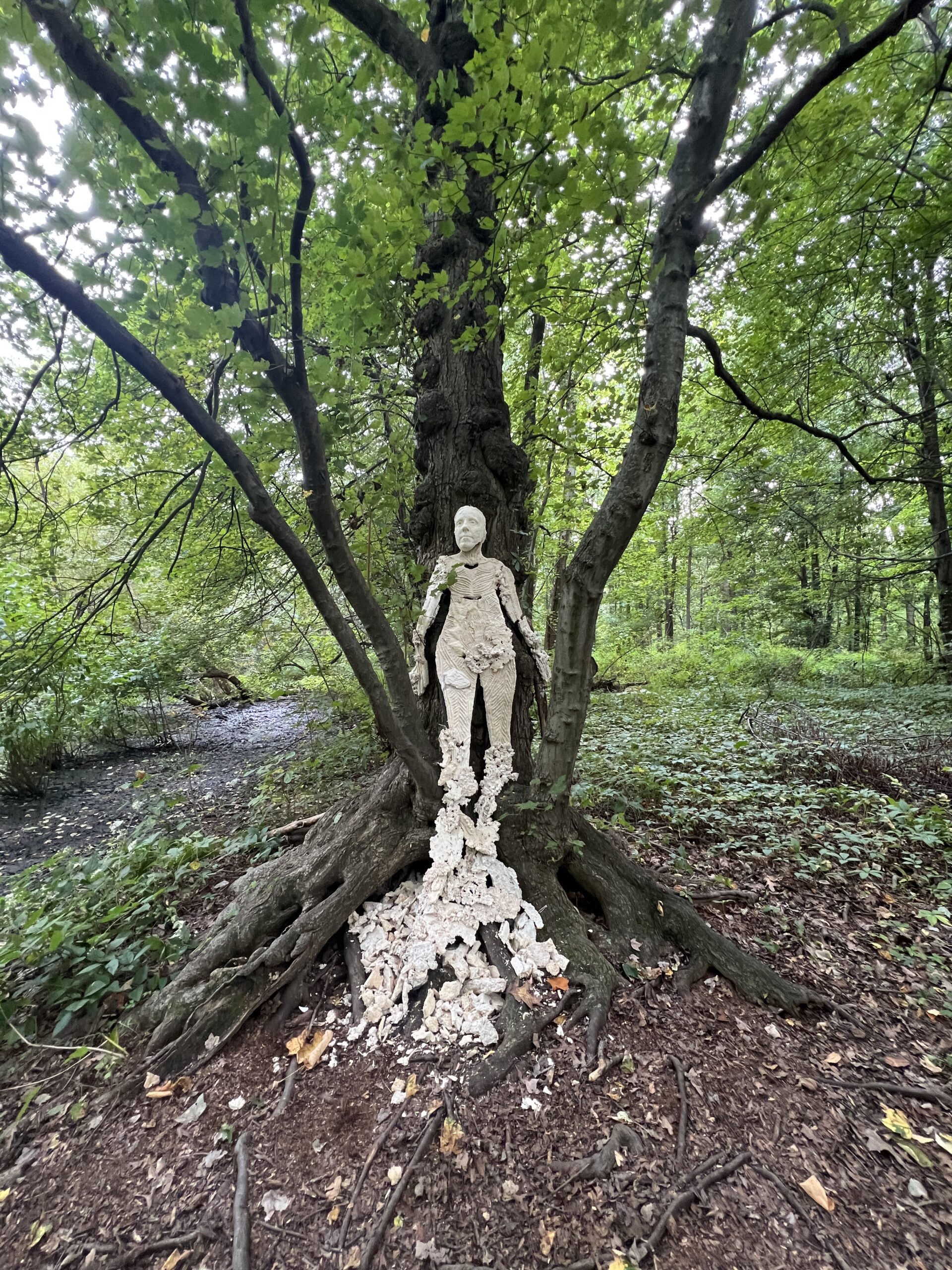
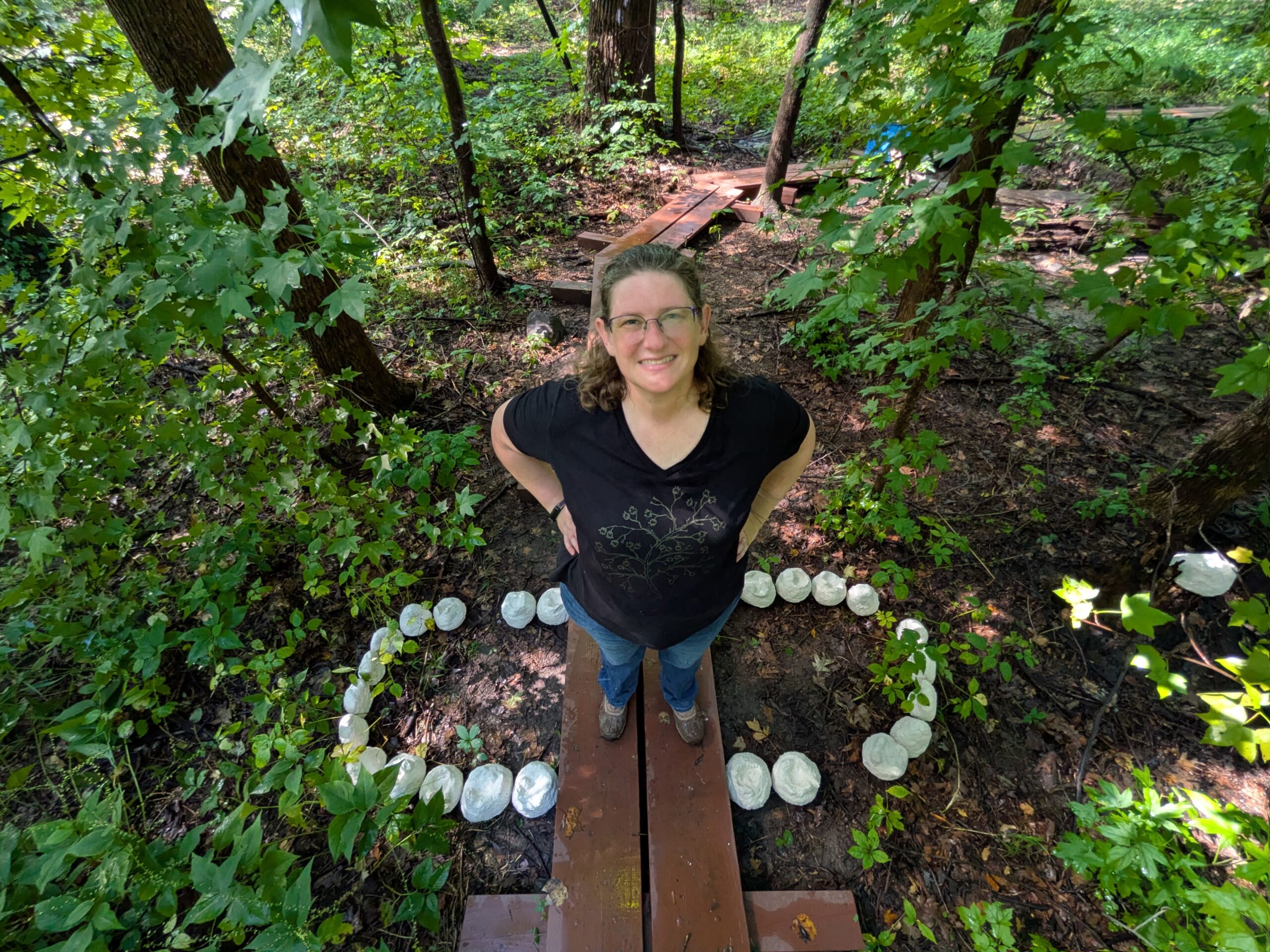
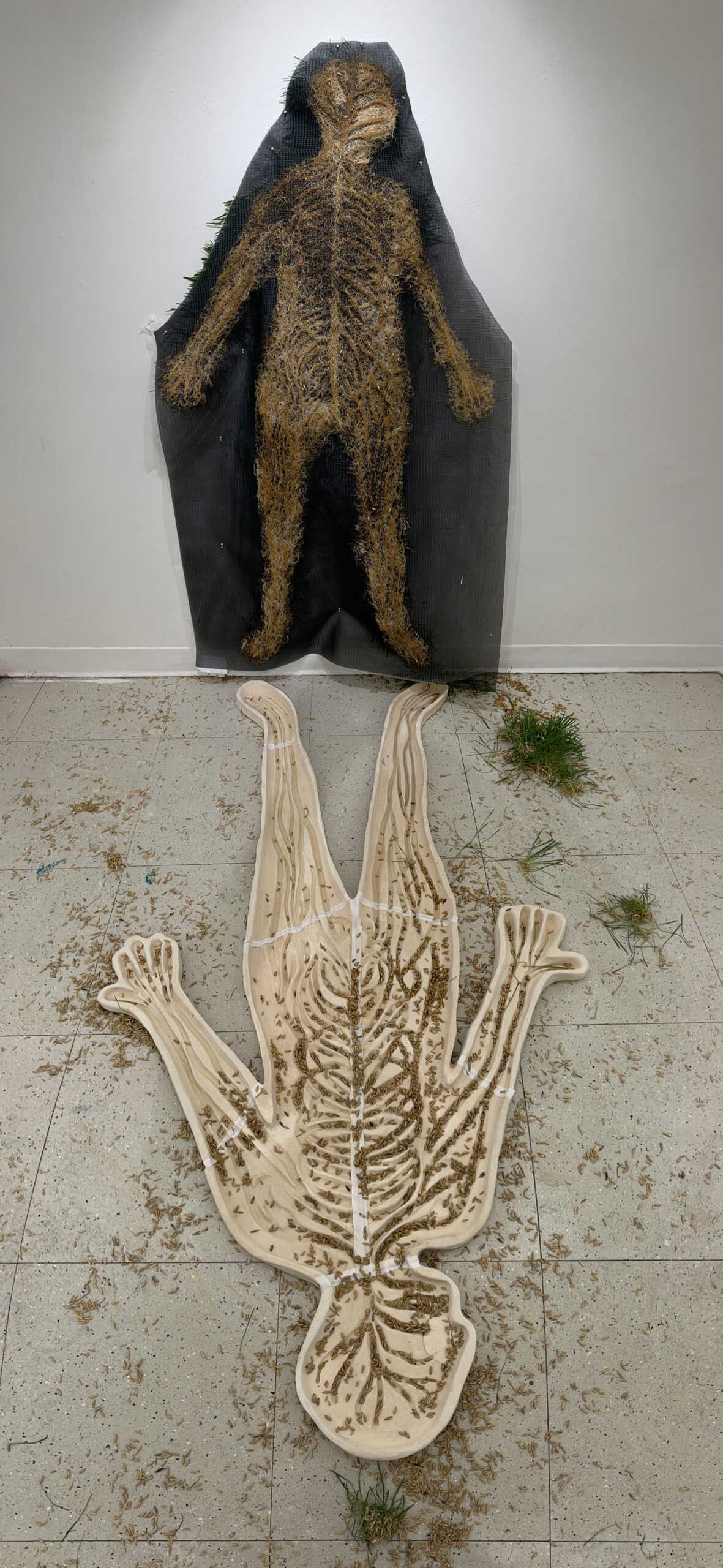
Mycenae was a minor entity in a time of mythology known as the primordial era. It is believed that the universe was emerging from formless chaos. People as such did not exist, more forces and concepts of earth, sky, time and darkness. My Mycenae is located within the swamp area of the Wildflower Sculpture Park. Her form is created with mycelium, the root like structure of fungus and mushrooms. She appears to have both emerged from the earth and will eventually be subsumed by it again. The inevitable, ongoing states of decay being a welcome part of the creative process.
Mycenae, 2026, Hemp, mycelium, cotton, fiberglass, paper
Installed at Wildflower Sculpture Park Saturday September 12, 2026.
Excited to see how she evolves over the coming months, transitioning from Summer to Winter.
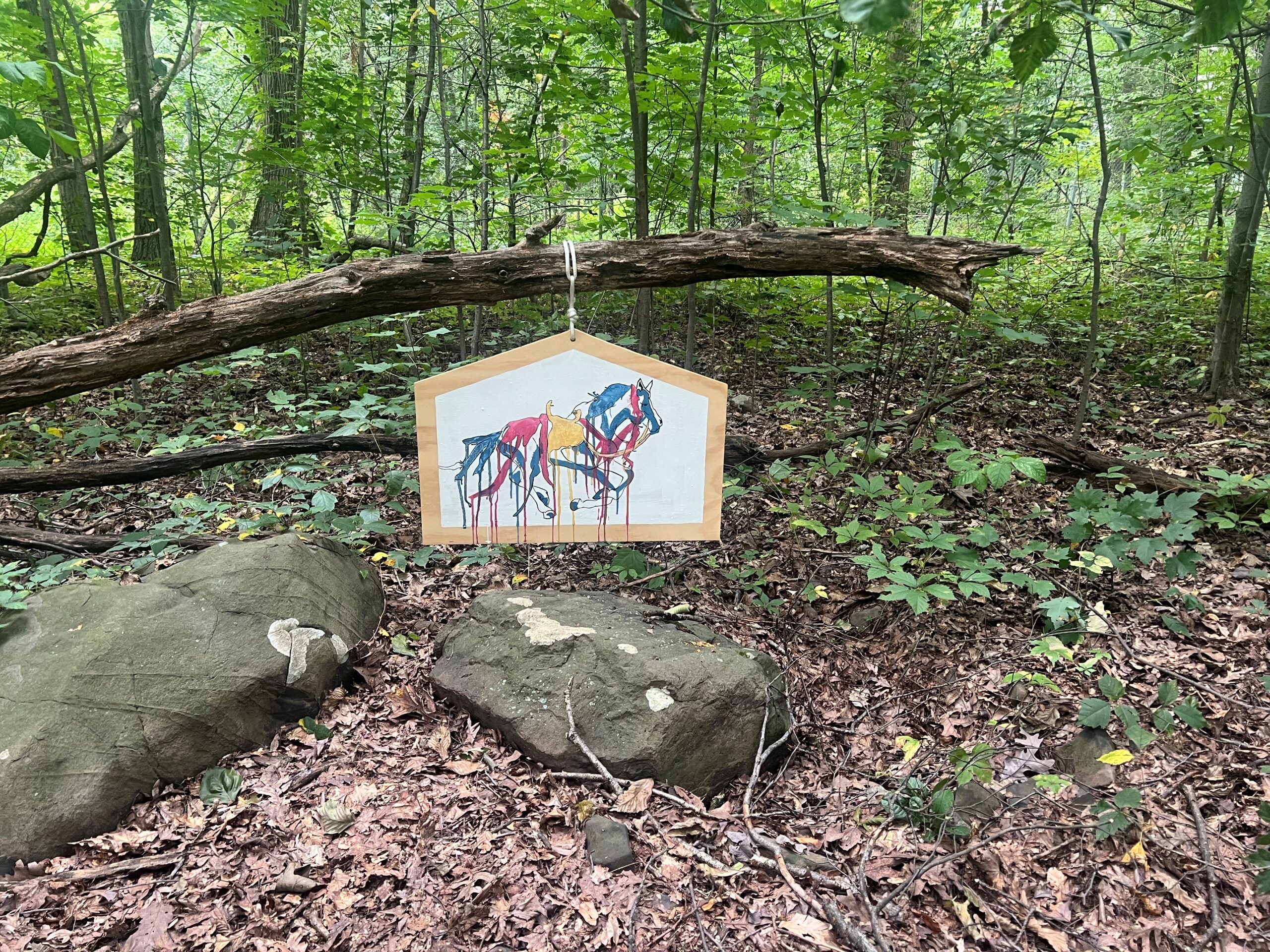
I created the pentagonal shape of the ema (shaped like a house) in a large format by trimming a panel of Radiata pine plywood. The shape symbolizes a Shinto shrine roof which is believed to provide a temporary home for the spirits while they receive your prayer. I also chose to add a hole, whether I decided to hang it, or use wooden feet as a stand, the hole would be representative of the space for the classic red cord used at shrines.
I painted a white background on the ema with gofun, leaving a border of the raw pine. I then projected the image from my watercolor study onto the white background and painted the horse with mineral pigments. Mixing the gofun and the pigments was a relaxing task, and I absolutely loved the feel of the material.
The piece was sealed in hopes to protect it from the natural elements, and rope was used to hang it from a dead and fallen tree branch. I considered tethering it to the ground with wire and stakes, but I love that it hangs freely just above the ground, with nature as its frame.
I installed the ema just off the trail on the aqua loop inside the preserve. The completed installation gives me a sense of calm. For me, hanging this ema in the forest is an act of giving a tradition from my ancestral roots back to the earth. I hope that visitors will take a moment to hold a wish in their hearts as they observe the work.
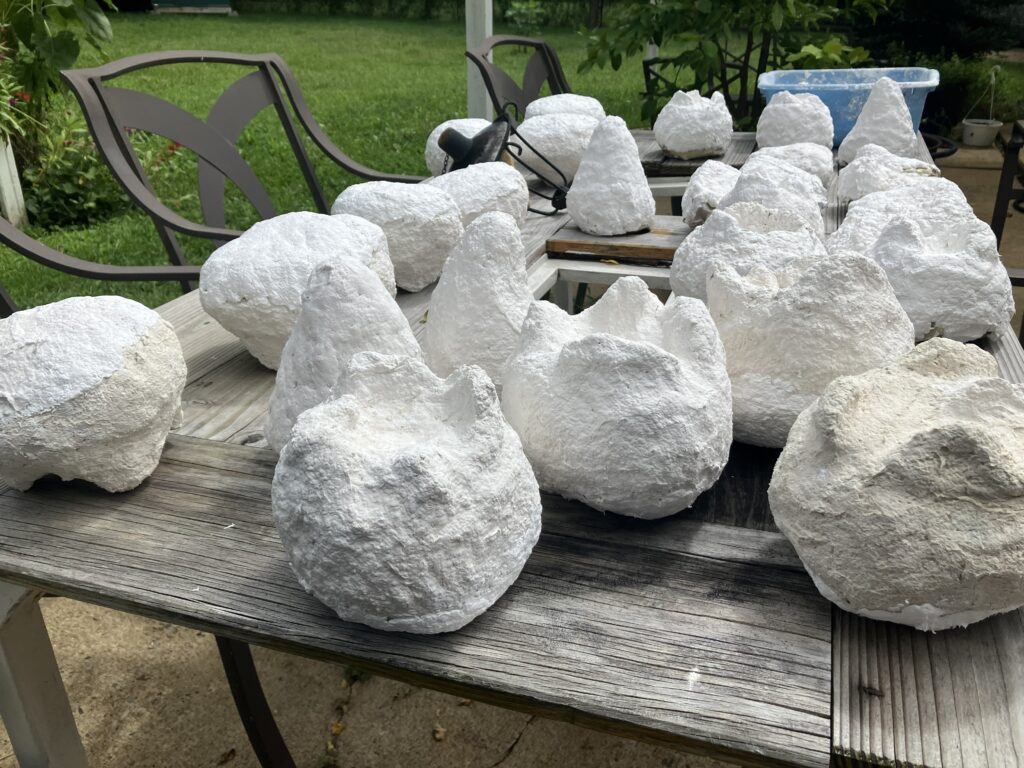
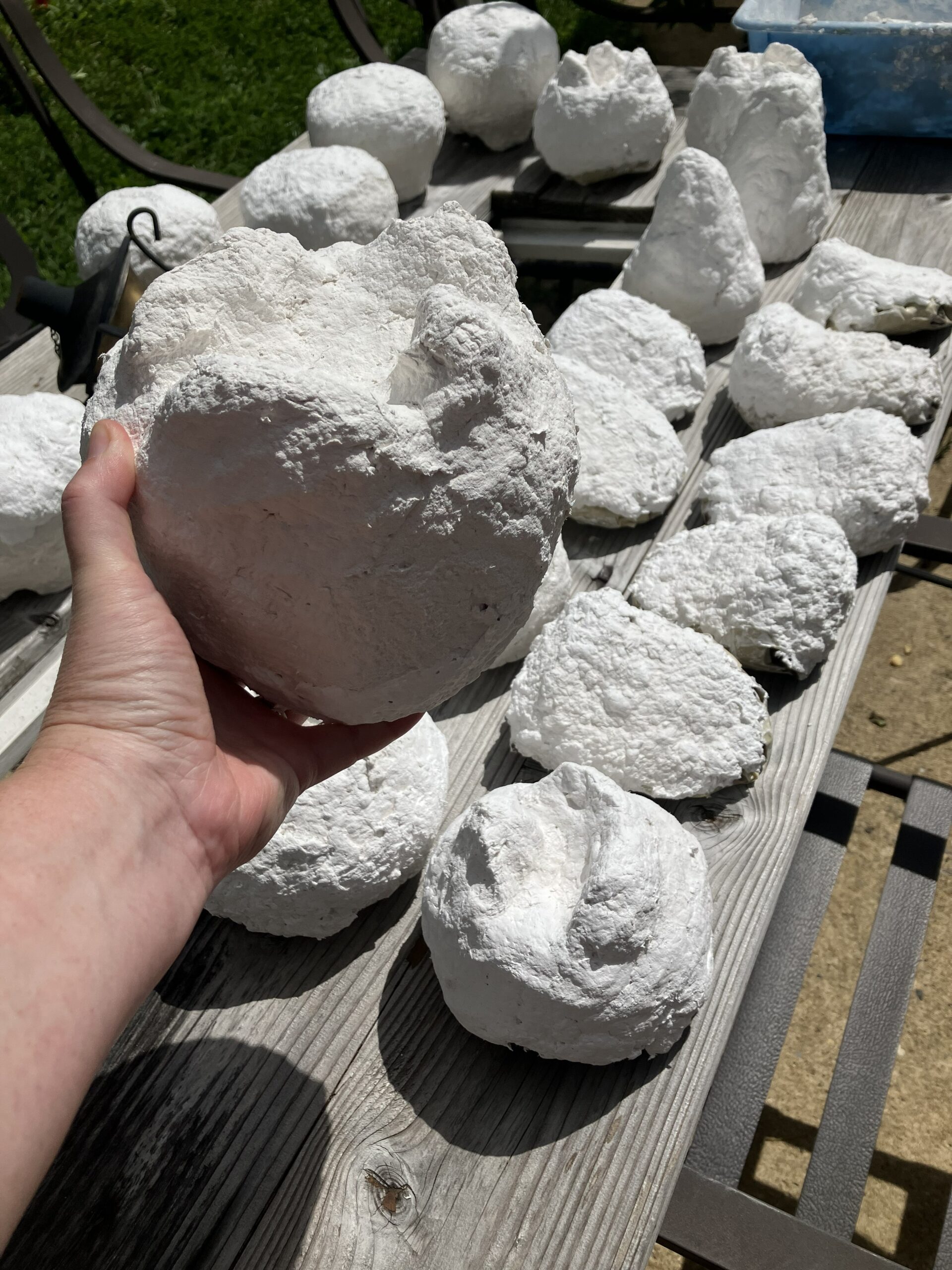
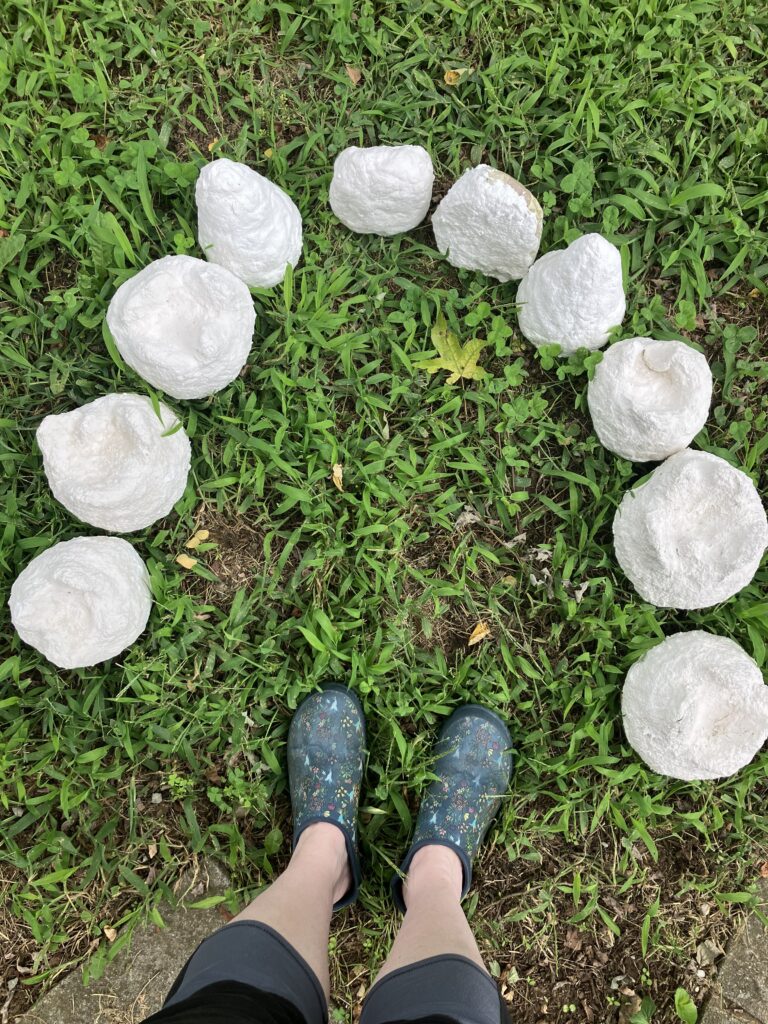
I began constructing these pieces using contractor paper and masking tape to get the rough shape. I tried using spray foam to build up the shapes, but I didn’t enjoy the material or process. I switched to using a mix of Celluclay and Amaco Sculptamold so I could really get my hands into the material, which was lacking with using the spray foam (plus a lot less toxic than foam). I enjoyed molding by gloved hand rather than carving so it was a good material switch. The photos below show the process before paint and a waterproof hard coat (going to use Aqua Resin). I have the option to sand the teeth down, but I’m growing fond of the rough nature of the material. I’m also happy that these little pieces aren’t biological replicas of teeth but a gesture of inspiration. It reminds me of stones, and I like the idea of these little stark white, rough-hewn monoliths popping out of the ground and greenery in the woods.
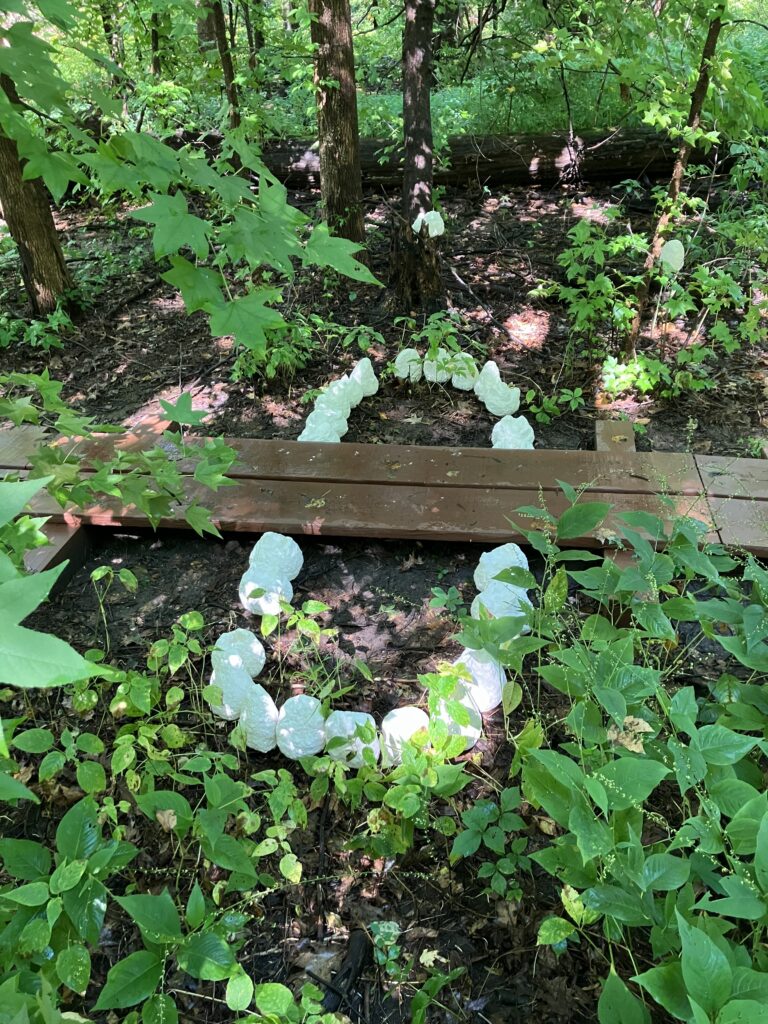
Here is the finished piece installed in the park below! My helpful husband Tryon assisted in the installation. It had rained a lot prior, so the ground was soft and easy to put stakes in to hold the teeth in place. A couple of the teeth have wandered off from the set leaving gaps. You’ll have to take a peek to see where they went.
My newly-minted teenager recently had two baby teeth pulled to make room for a palate expander, prompting me to consider the intrusive nature of altering a body I helped create. These procedures will shape how her body functions for the rest of her life, albeit hopefully for the better. As a mother, I love watching my daughter grow and change, and I’m struck by how much of that change is both natural and beyond my control. This experience led me to consider the human relationship with nature. We remove, reshape, preserve, and rebuild, often with the intention of making positive changes. Sometimes those alterations help, and sometimes they have consequences that last for generations. With this set of sculpted teeth, mirroring the shape of a bear trap, I draw parallels between these choices and the landscape of my daughter’s mouth. The stark white monoliths, rooted in dirt and erupting from the wild greenery, reflect the complicated beauty of watching something you love change.
Sitti | My Grandmother, Ummi | My Mother, and Binti | My Daughter
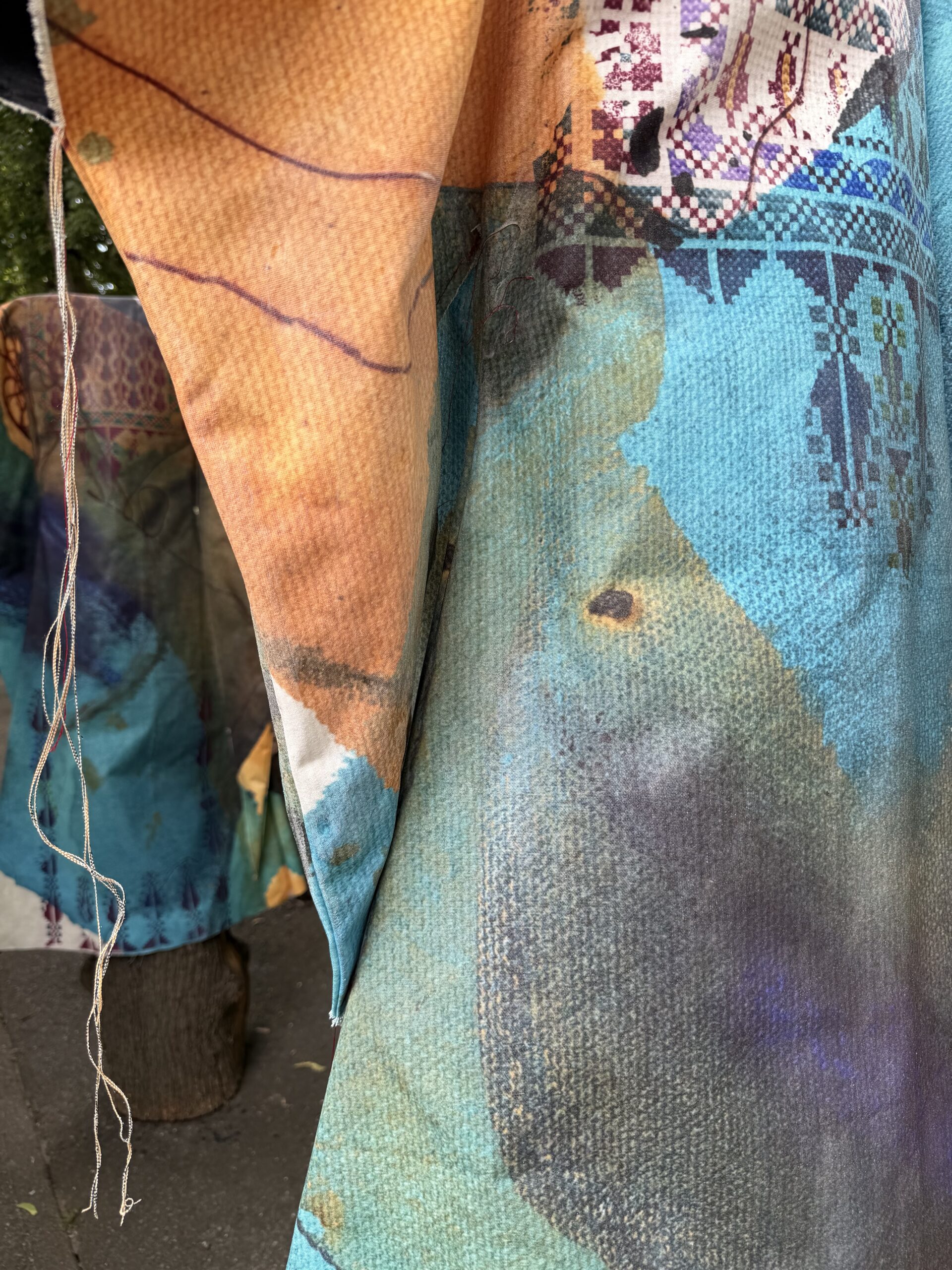
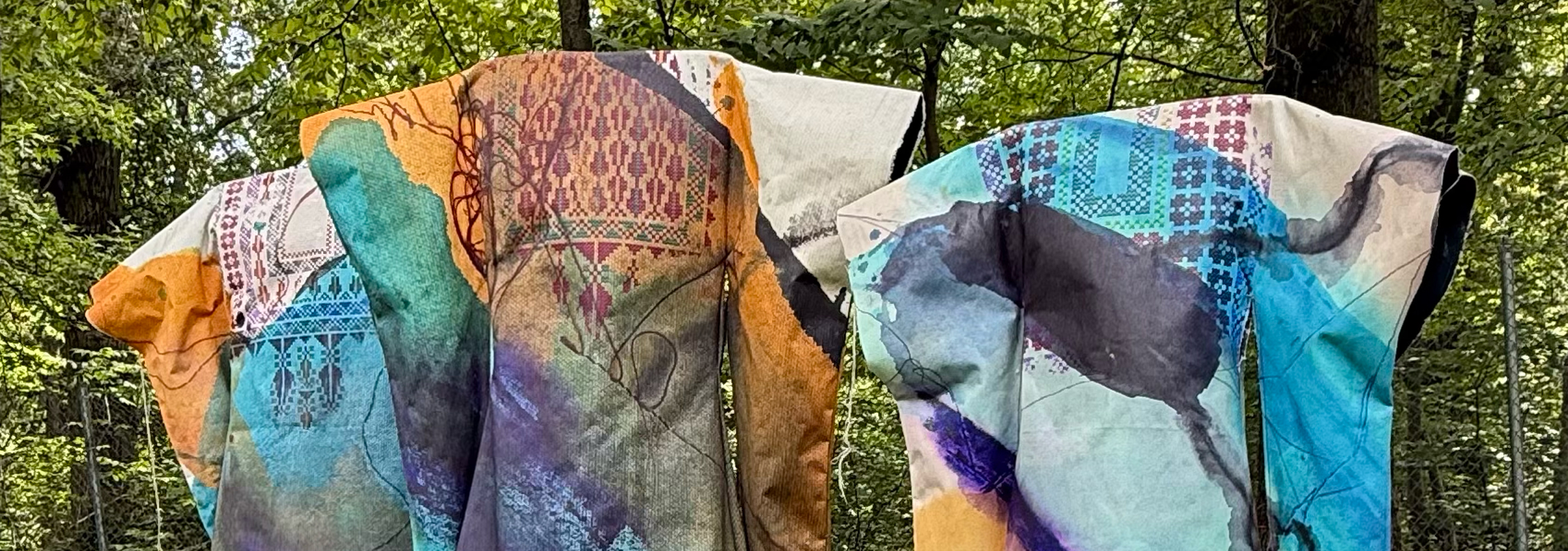
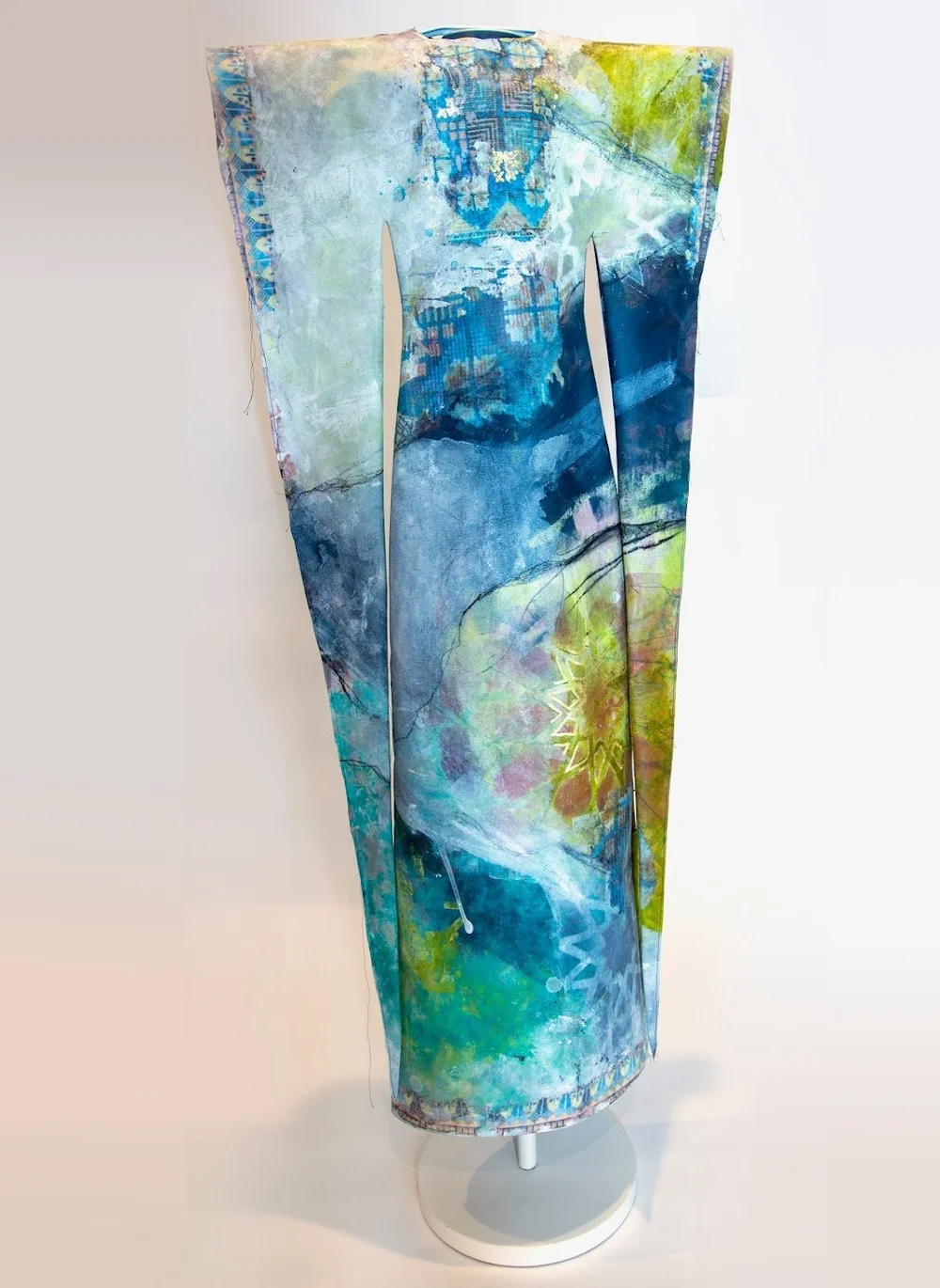
Detail of Binti | My Daughter Dress, 2026
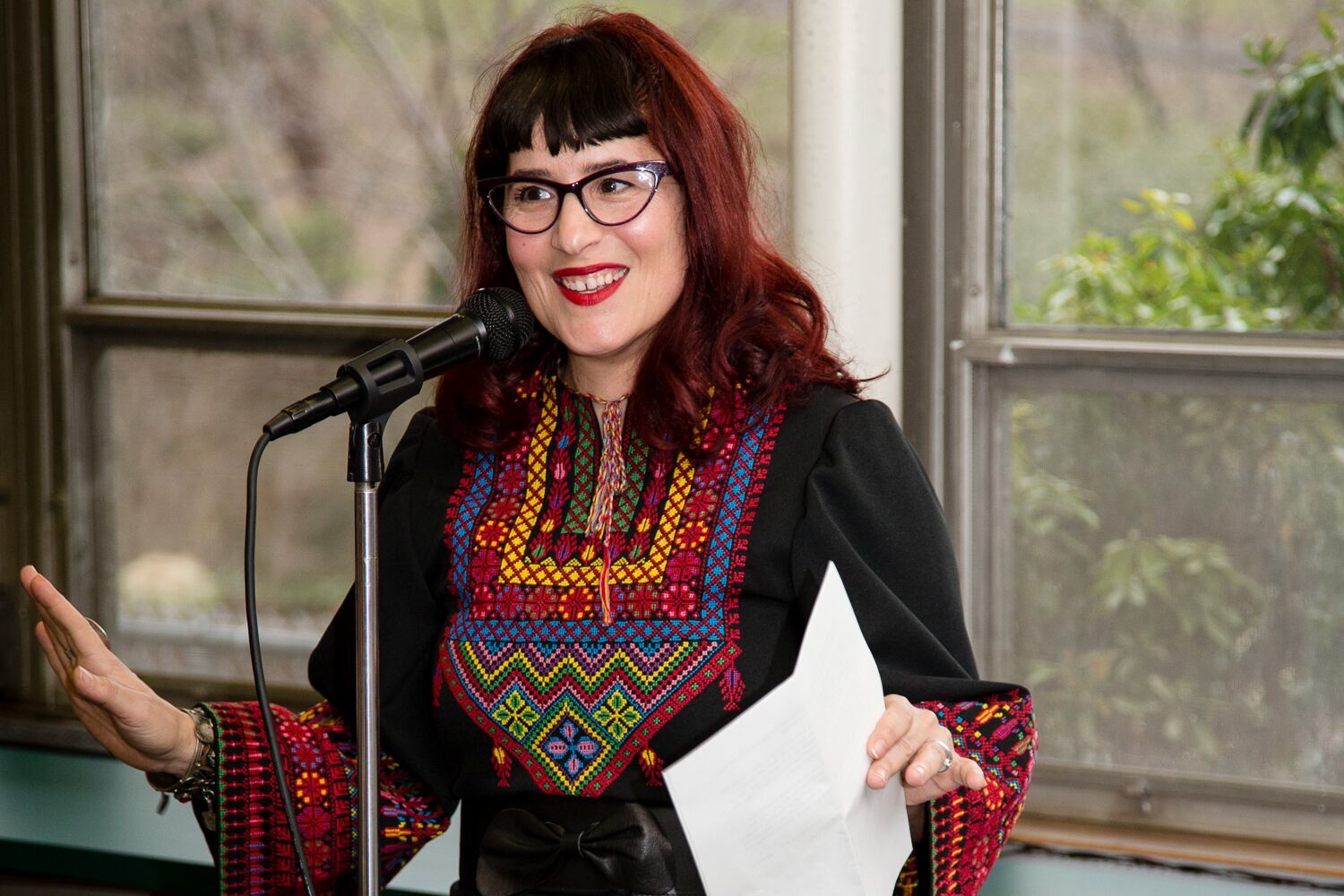
When I was invited to participate in Root System2026, I was drawn to the connection between roots and intergenerational lineage. Beneath the surface, roots reach outward, intertwine, communicate, and connect. A tree in New Jersey may seem impossibly far from a tree in Palestine, yet I began imagining them speaking to one another through the earth.
That thought made me wonder about our own roots as human beings.
Where do we lay our roots when we migrate, whether by choice or because we are forcibly displaced and uprooted from our home and land? What happens to the traditions, memories, culture, and connection to land that we carry with us? Do they remain within us, perhaps in ways as deep and invisible as roots? I believe they do.
Even when separated from homeland, our root systems continue through memory, identity, and intergenerational connection.
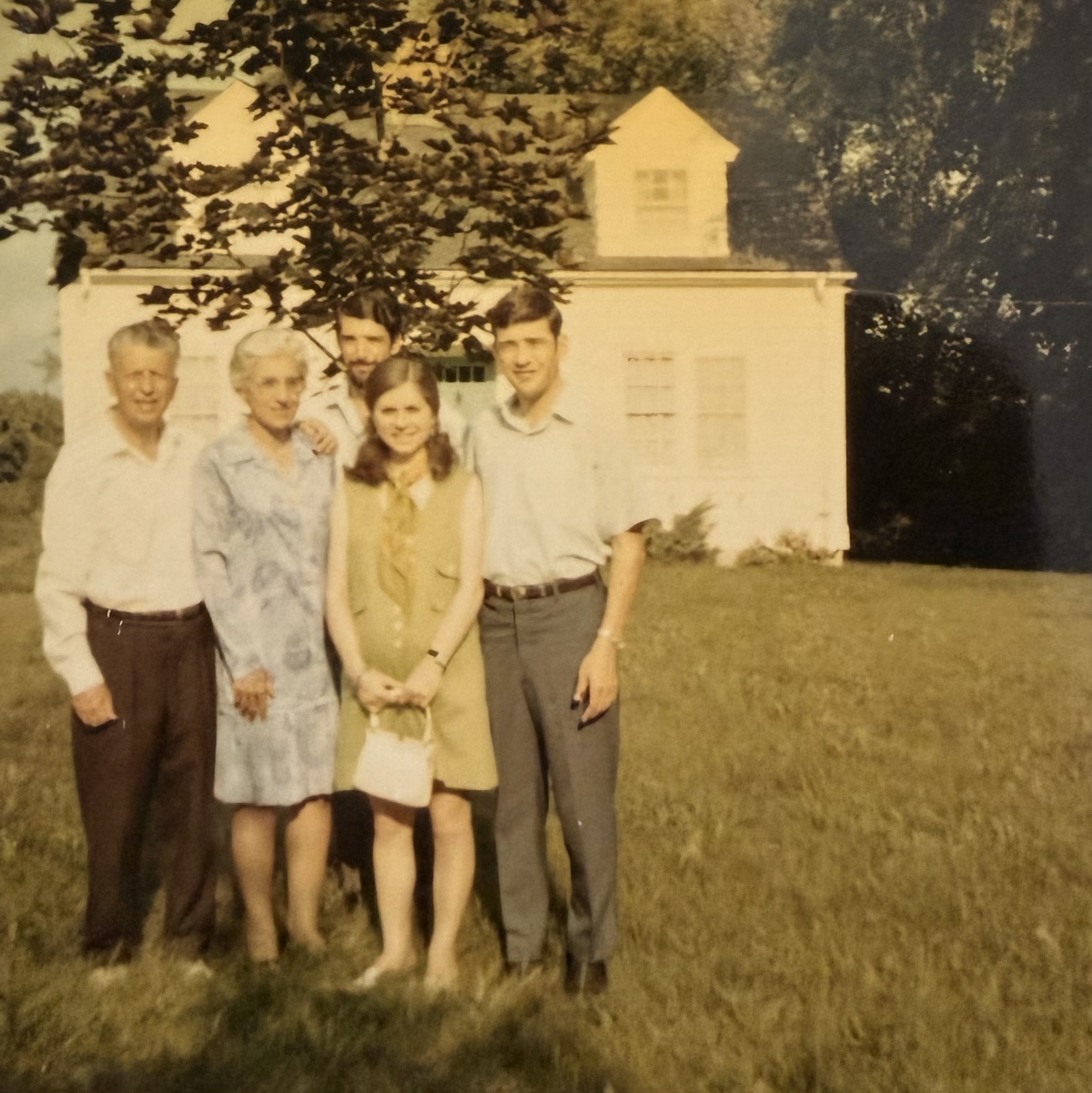
Northampton Massachusetts, 1970
I am first-generation Palestinian, born and raised in the United States. I am rooted here because this is where my life and my family have grown, but I am also rooted in Palestine, where my ancestors lived for generations. I exist somewhere between these two places, connected to both.
My connection to Palestine lives in memory.
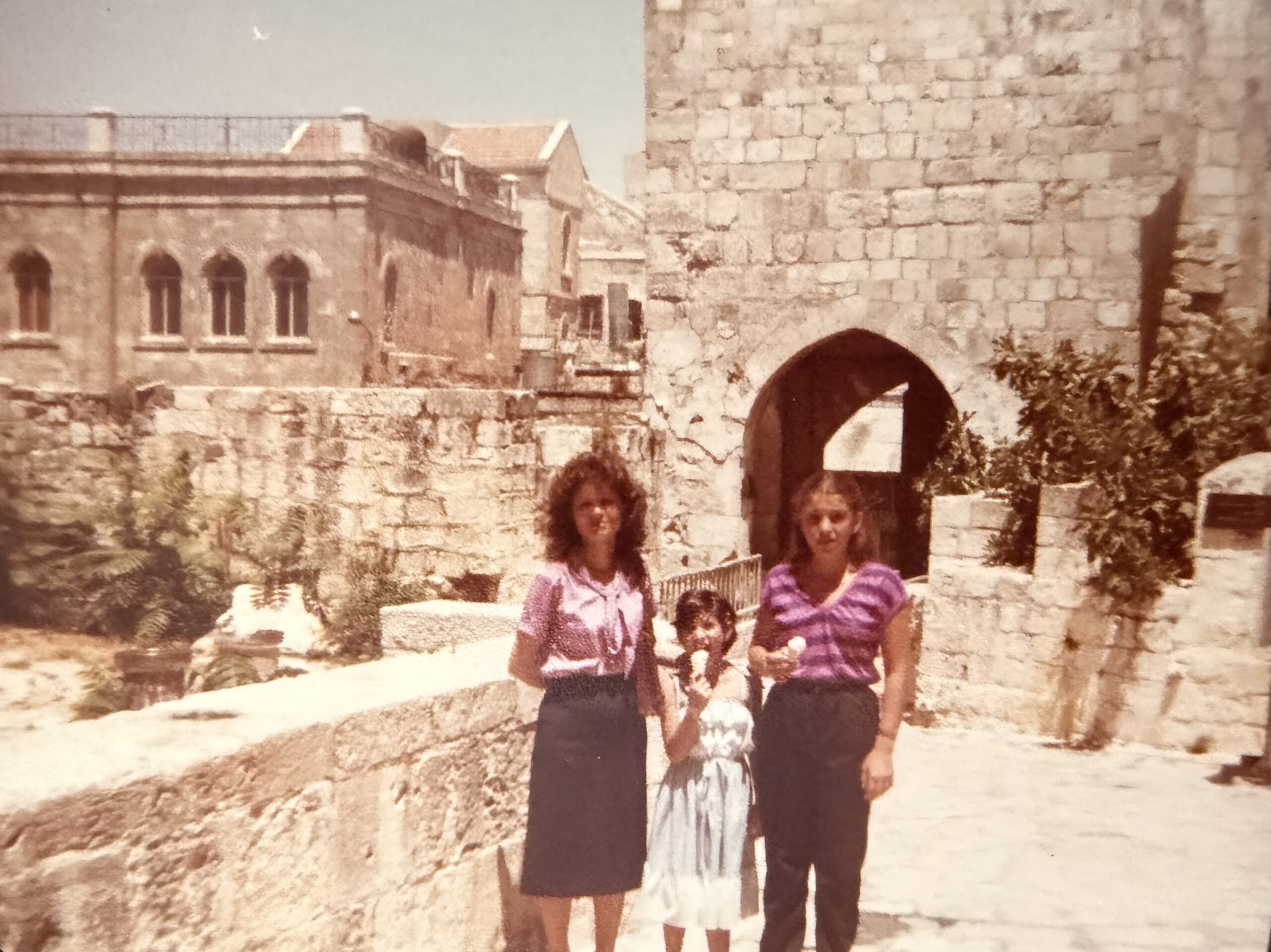
Jerusalem, 1980
I remember the summers visiting my grandparents in Jerusalem and spending time with family in Ramallah. I remember the hot days and cool nights, the breeze moving through the trees, the smell of the earth, and the vibrant sunsets seen from the rooftop. I remember nights filled with bright stars and the smell of food always coming from the kitchen.
I remember my Tata’s (grandmother) garden. Her almond tree, grape vine’s, sour cherry and lemon trees, sabar plant, roses, and jasmine that she so lovingly tended.
I remember the sounds of children playing football in the streets and the calls for Rokab ice cream on hot days. I remember the ordinary, beautiful moments of childhood that become precious with time. Sometimes I find myself longing for just one glimpse of those days, to return for a moment, to see my grandparents again, to hug them tightly.
Those memories are rooted in me. They connect me to a place I cannot always physically be.
When I walked through the preserve, I began thinking about the root systems beneath my feet and the possibility that these networks might somehow connect us beyond the boundaries we create on maps. The roots beneath the land reminded me that we are connected not only to one another, but also to the natural world and to something much older than ourselves.
This project explores the root system as a living connection between generations, and how the land carries memory, identity, and belonging.
The preserve also reminded me of Palestine. Both landscapes are full of life, shaped by the people who love and care for them. I thought about the mountains and valleys of Palestine, and the cypress, olive and orange groves. I remembered my family’s home in Ein Siniya, a small Palestinian village near Ramallah.
As I began developing the installation, I wanted to bring together the organic and the cultural. I wanted the sculptures to connect the Palestinian thobe, with its deep connection to regional identity and women’s traditions, to the natural world beyond the traditional embroidered motifs that reference the land.
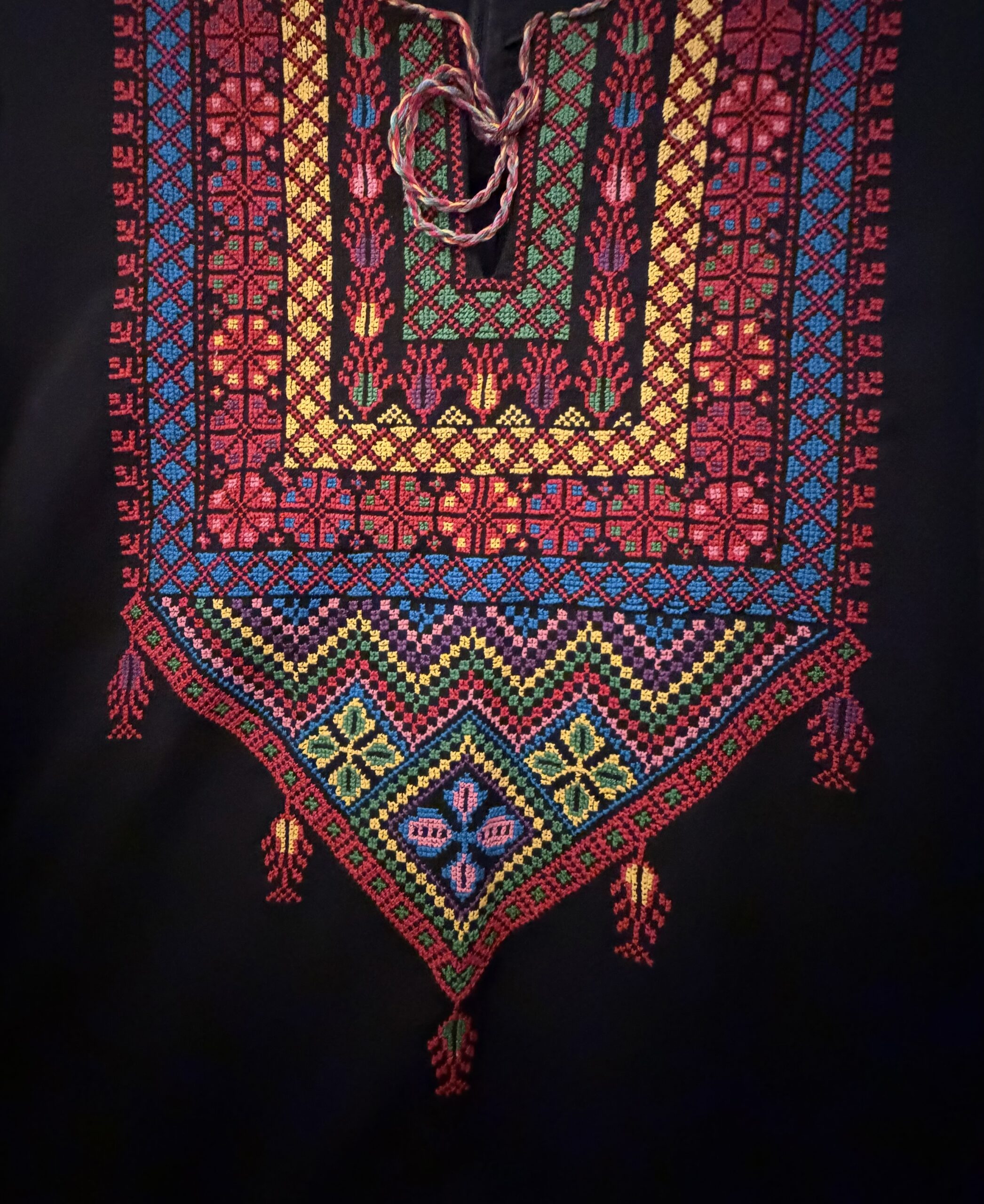
My Mother’s Thobe Chest Panel (Qabbeh), 1970
Tatreez, traditional Palestinian cross-stitch embroidery practiced and passed down through generations, is reinterpreted in my work from motifs handed down to me by my grandmother and mother. They reference the olive trees and cypress trees of Palestine, as well as poppies that grow both in Palestine and here in the United States. Through these patterns, the dresses carry images of the land across distance, connecting Palestine to the place where I live now.
The thobe becomes a form without a body, a vessel for generations of women. Through it, I honor the women who came before me, the women who continue these traditions today, and the women who will carry them forward.
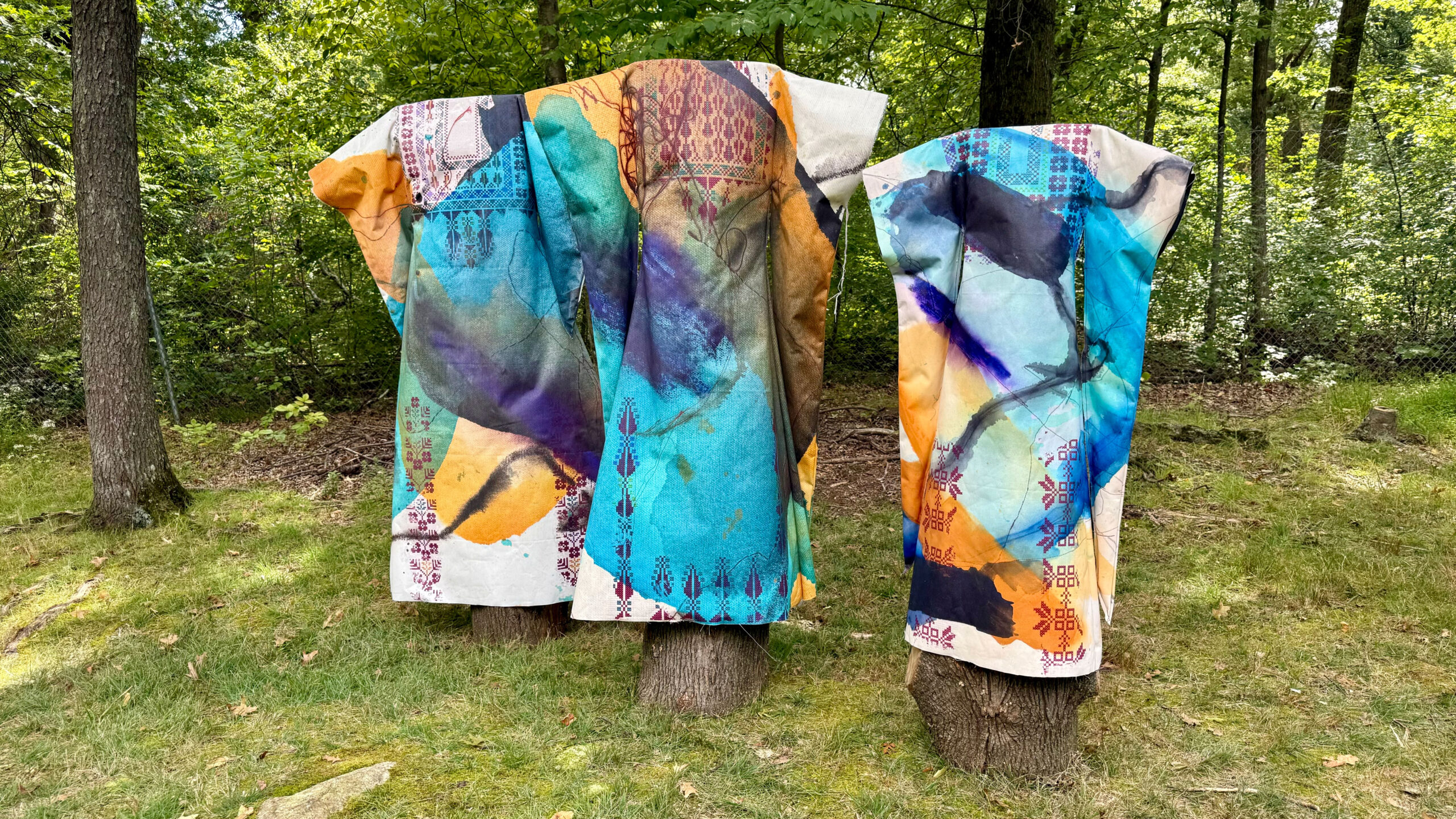
The three thobes emerge from the tree as if they are being born from nature itself. They are secured by the roots beneath them, grounded and strong. The three figures represent grandmother, mother, and daughter, three generations connected through the same root system. Sitti, my grandmother, Ummi, my mother, and Binti, my daughter.
Past. Present. Future.
The dresses become extensions of the same natural world.
The root system becomes what connects us and gives us strength.
The thobes become the continuation.
The land becomes the connection between them.
In this way, the sculpture is not only about where we come from. It is about what we carry forward.
Nature has witnessed everything.
It has witnessed people arrive and leave, generations being born and passing away, communities changing, landscapes transforming. We may leave, but the trees remain. We may disappear, but the land continues to hold what came before.
Nature reminds us that life is constantly adapting.
Growing.
Changing.
Falling.
Regenerating.
The land taught me to appreciate all that has been shared with us: the shade of a tree, the fruit it gives, the stories held by a family, the traditions carried by women’s hands, and the memories that travel from one generation to another through the root system that connects us.
I began this project thinking about roots as a network beneath the earth. I ended by understanding the root system as the living connection between generations, carrying memory, identity, and belonging within us.
Perhaps we are all connected through the landscapes we inherit.
Perhaps a tree in New Jersey can speak to a tree in Palestine.
Perhaps our ancestors are still speaking to us through the things we remember, the traditions we preserve, and the stories we choose to carry forward.
And perhaps, like the root system that sustains and connects us, we are stronger because we are connected.
The installation is ultimately a message of hope, survival, and resilience.
The land may be distant, but the connection remains.
We may be separated from one another, but the root system continues to hold us together.
And just as the land continues to change, regenerate, and sustain life, I believe humanity will continue to find ways to survive, adapt, connect, and grow.
Warmest gratitude to the Wildflower Sculpture Park residency for giving me this opportunity to share my art and journey, and to all the artists who are part of this exhibition. I’m so grateful to share this experience with you. And most of all, thanks to Doris Caçoilo and Penelope Malakates for curating and managing a wonderful exhibition.
This installation is dedicated to the strong women in my life, my mother, Lama al-Hussaini;my Sitti’s, Rabiha al-Hussaini and Ulwiyya al-Hussaini; my Great Aunt Hind al-Hussaini; my daughter, Maya Serene al-Hussaini Hatcher; and to all the strong women who came before us, who passed down their strength and pride in ourselves and our culture. And to the men who supported, encouraged, and lifted us up, my grandfather Ishaq Musa al-Husseini; my father Hatem Ishaq al-Hussaini; my dearest Uncle Nabil al-Hussaini; my son Aden al-Hussaini Hatcher; and the love of my life Rob Hatcher.
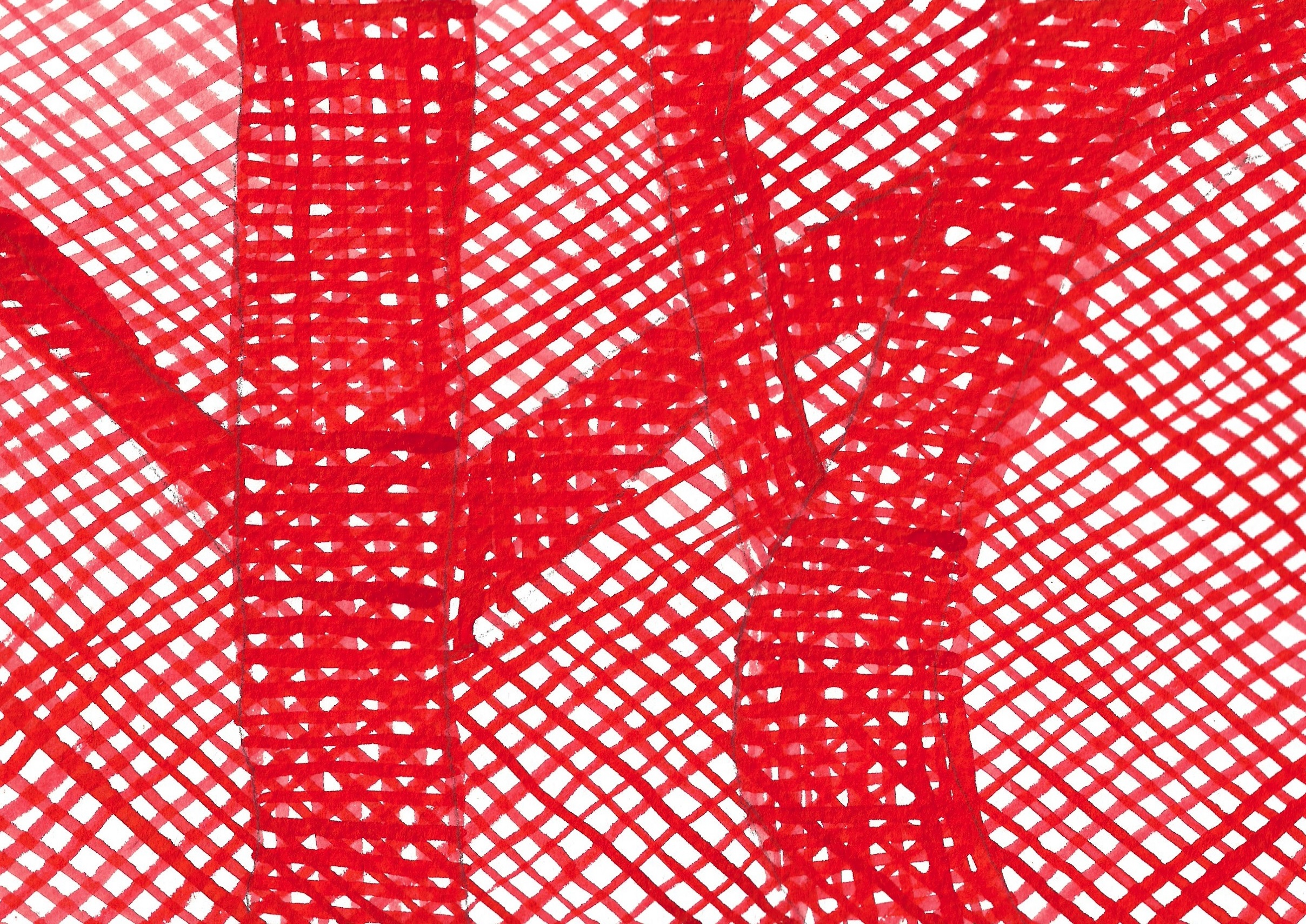
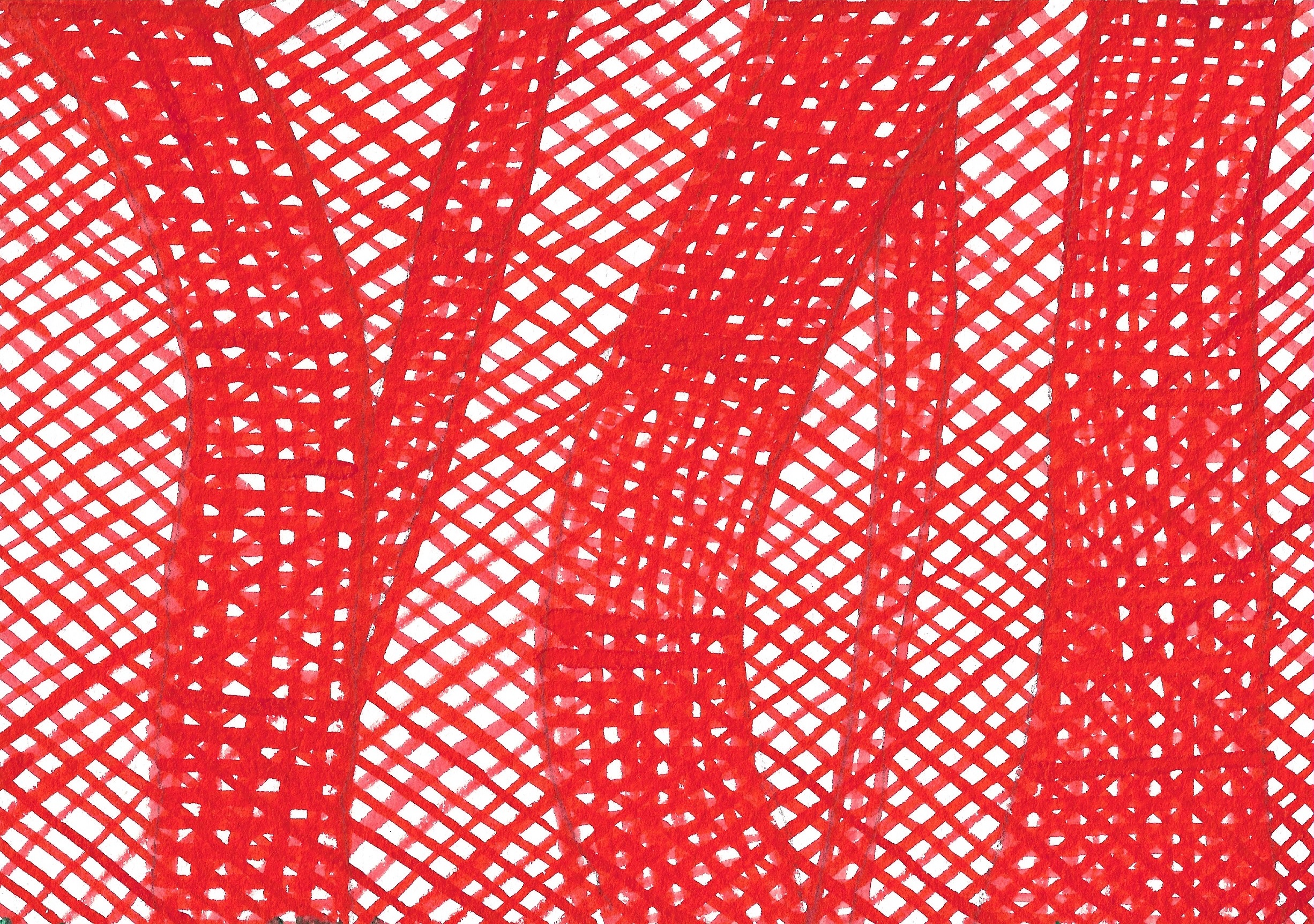
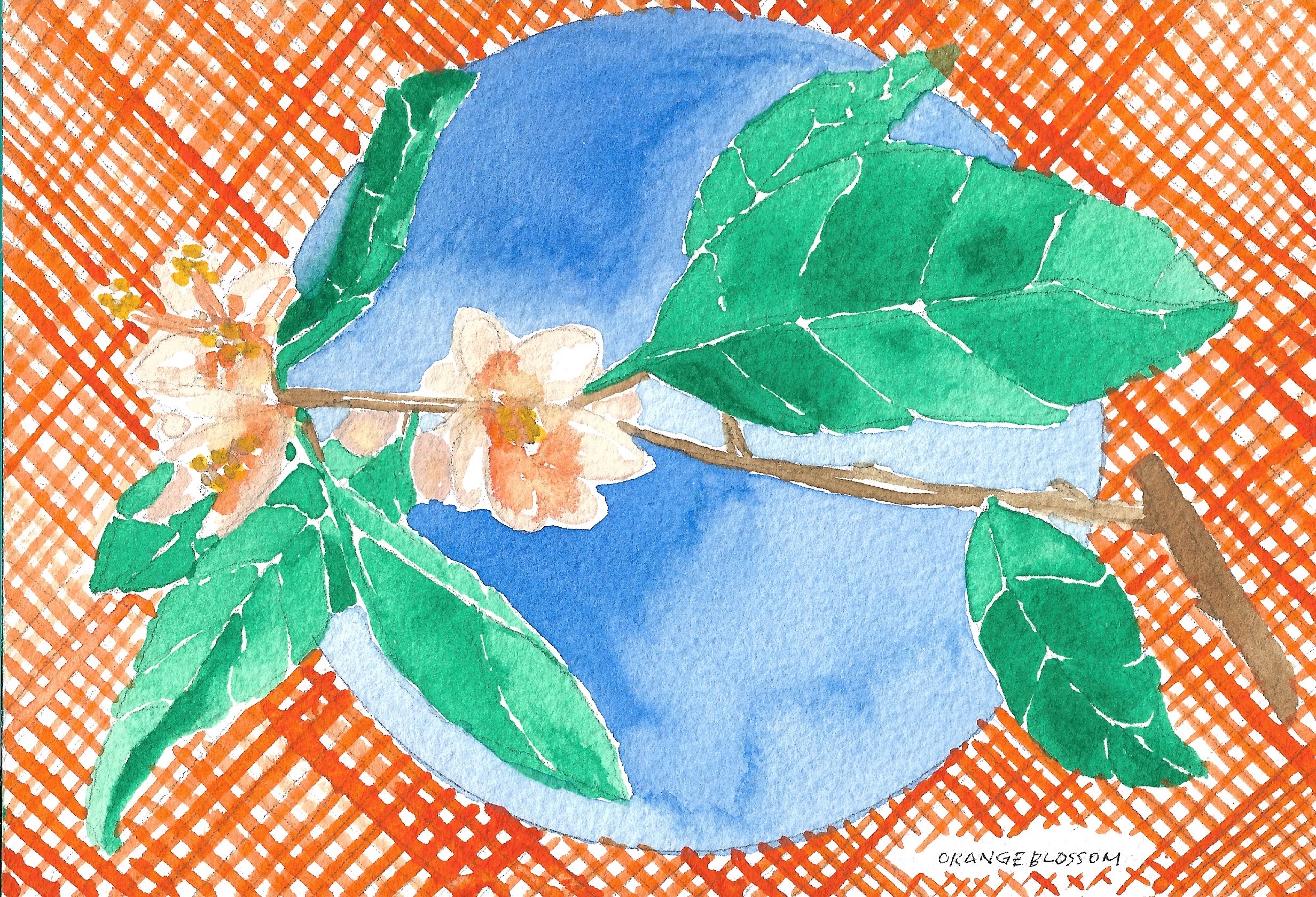
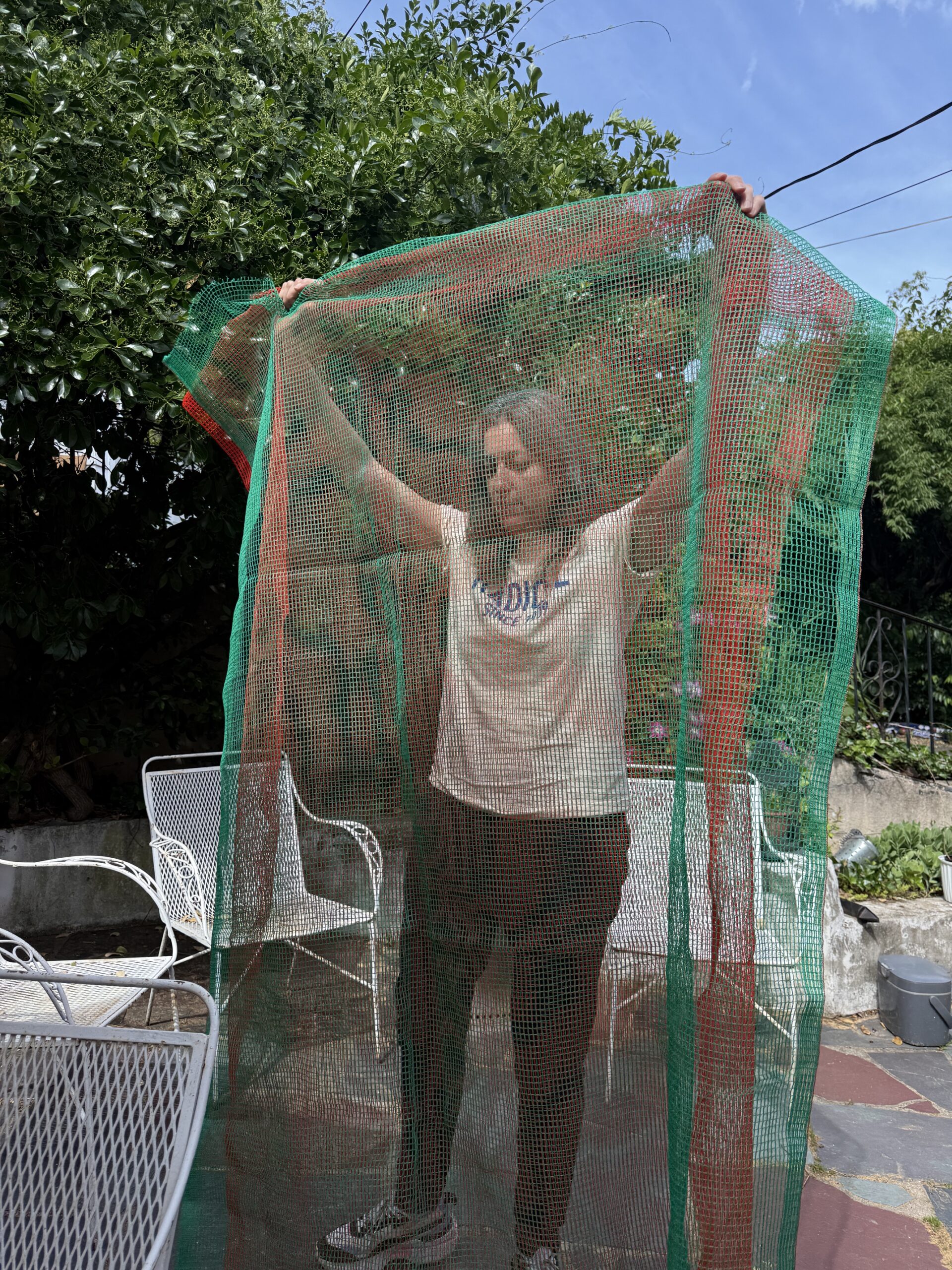
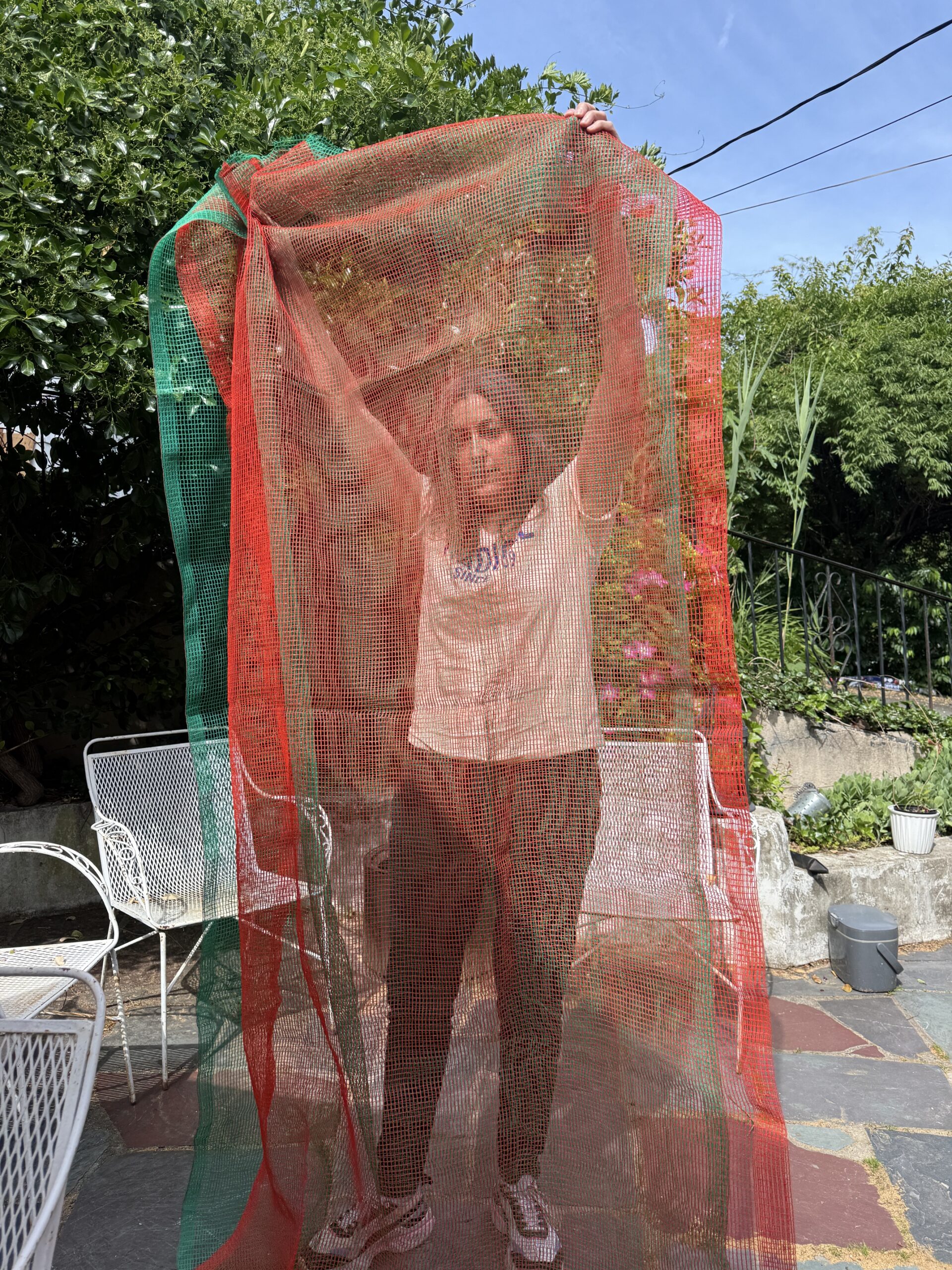
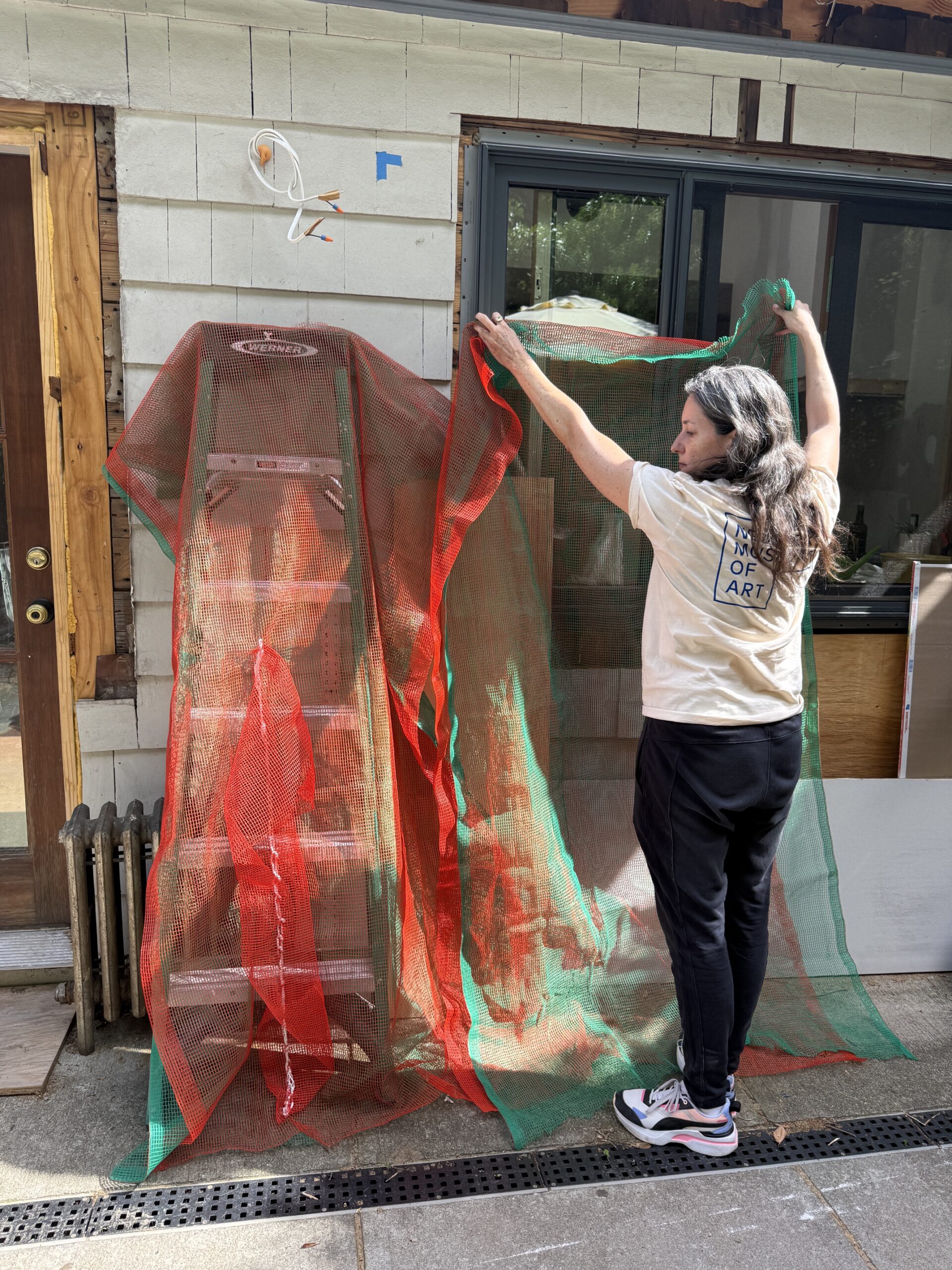
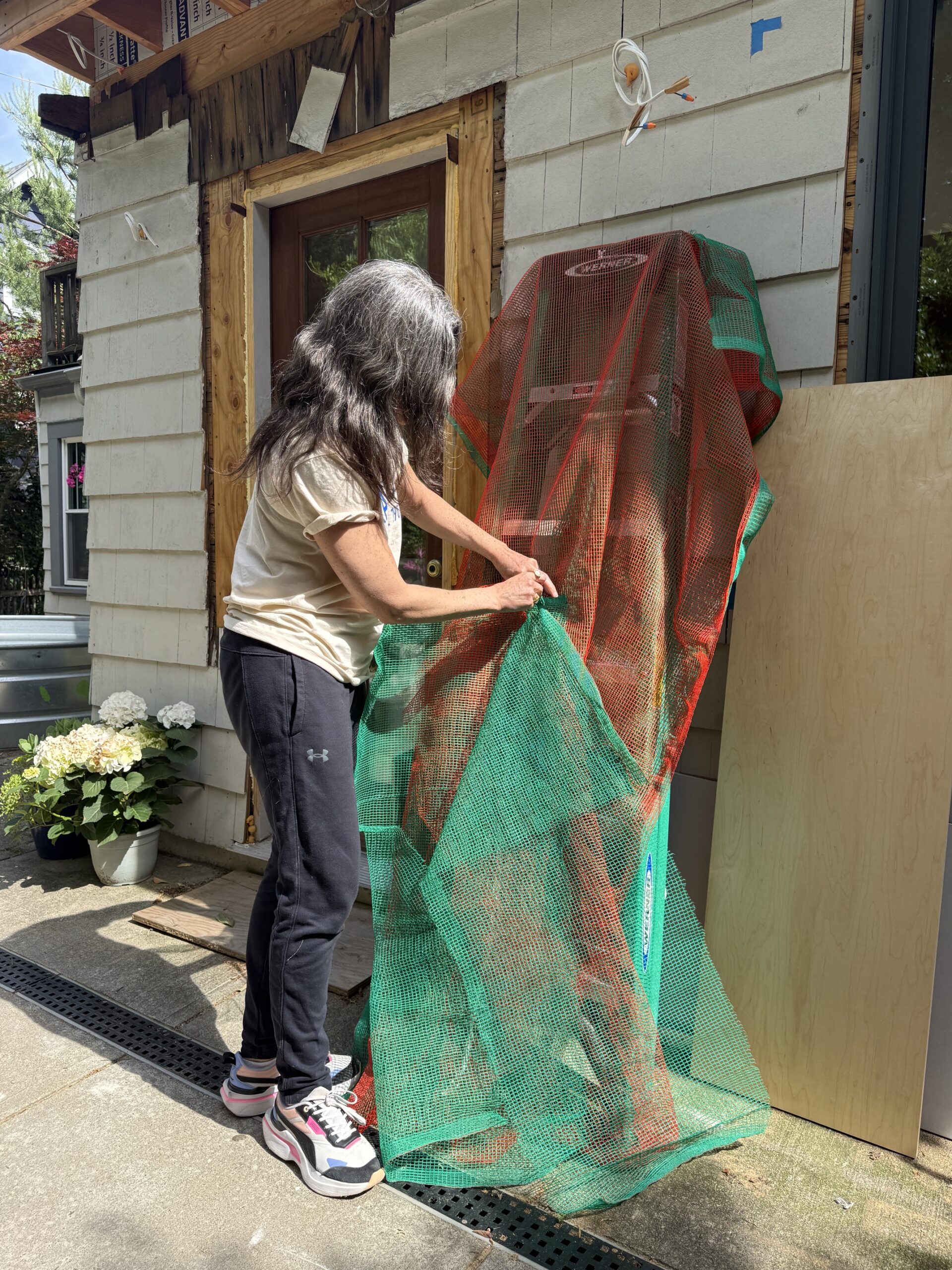
Each panel depicts a fruit-bearing tree: an Orange, Olive, Lemon, Fig, and Persimmon. White nylon rope was pulled apart into individual threads and woven through orange and green construction netting. The threadwork holds the two layers of netting together while forming the shapes of each tree. The panels are supported by two 7′ wooden dowels, staked into the ground with iron rods. The remaining netting extends onto the ground and is gathered in the manner of a Portuguese para-vento, creating a temporary enclosure within the landscape. Together, the panels form a network of trees; individual forms connected through a shared structure, evoking the interconnected systems of roots, pollination, and community.
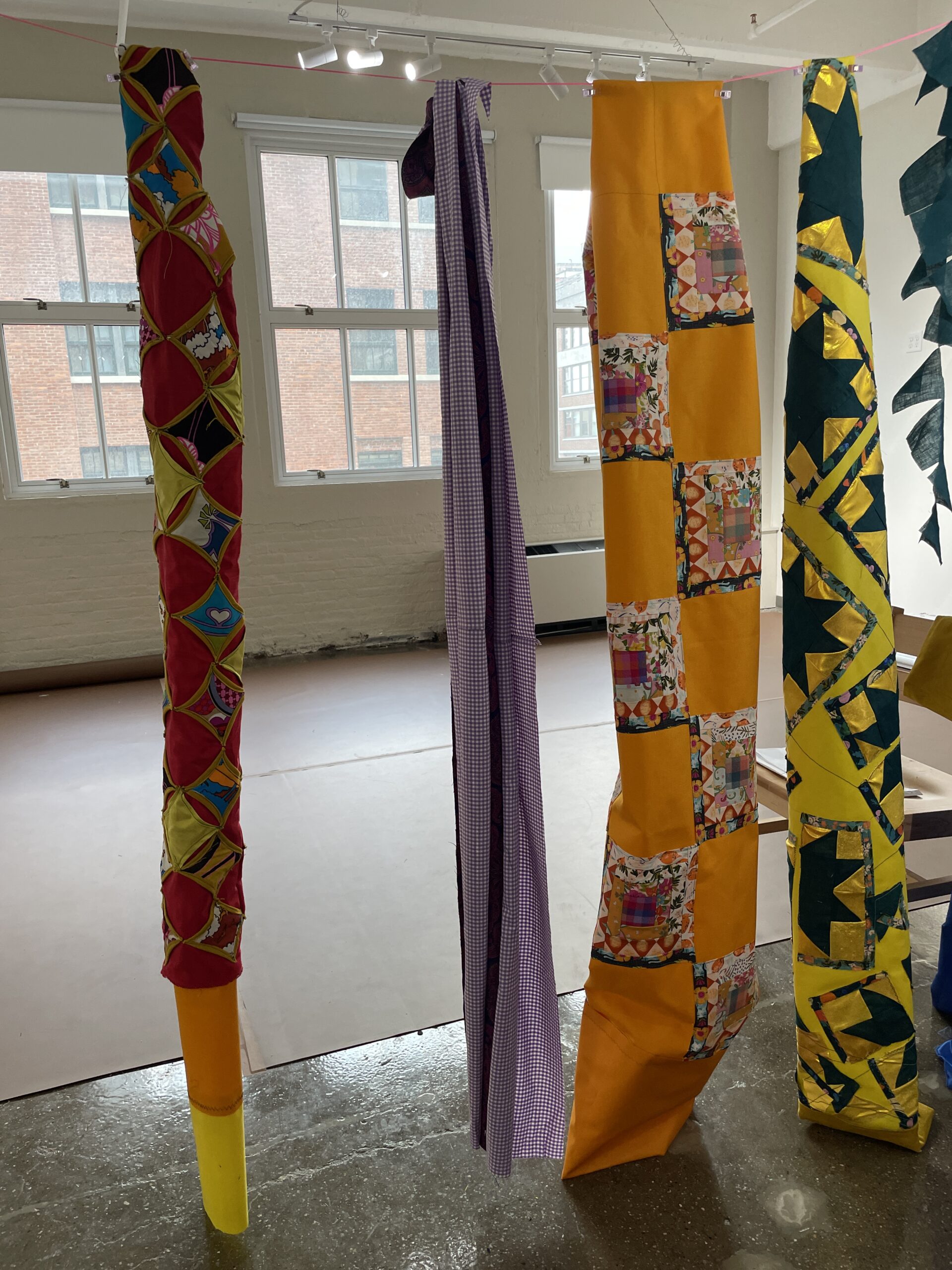
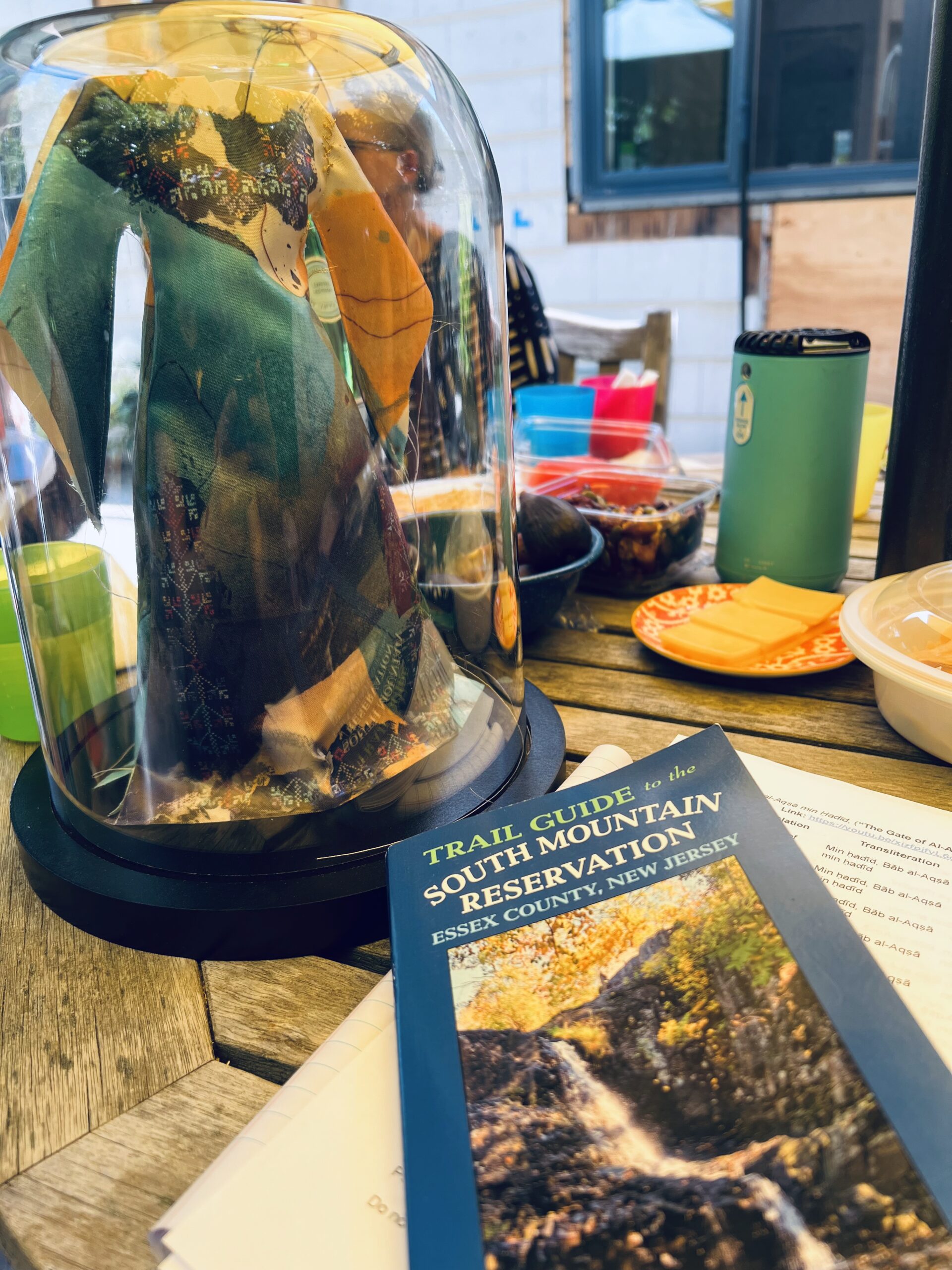
It’s been really satisfying to let this project unfold and develop in a way where I am just following instincts and cues from the work itself and beyond. Originally, I felt the prompt of roots as something deep in the ground, our origins, things that came or went before, including people and traditions. I have a visceral urge to connect to those in the ancestral plane not only by sensing them in the vastness above but also feeling their support under foot. With each ‘root’ I’m keeping in mind one of the special people in my life who have passed, and allowing their energies and identities to inform each piece. Whenever I think of tradition, quilting comes to mind as a practice that is handed down and keeps families connected and histories alive. I’ve chosen a different quilt block pattern for each (so far, cathedral windows, simple star, log cabin). As I progress, many of the root forms are taking on more of an obelisk shape, and upon researching the origins of the obelisk I really love this pathway. I’m finding so much alignment in the way obelisks connect the earth to the sky, a symbol of the divine as well as the afterlife (which to me, are one and the same!).
My work is based in the bio-art tradition, using materials and techniques associated with science to make art. For this Bio-Portrait I will create a female human and grow sculptural works from mycelium (the root like structure supporting the fruiting fundi/mushroom) and plant seeds (identifying those native to the area). I will also use clay/mud as part of the sculpture. The work will be strictly temporary, and ideally it would cease to exist at the end of the exhibition, the component parts having returned to the earth.
Heritage continues to take root in the soil and will always be remembered, no matter where we are.
As a first-generation displaced Palestinian, the sculptural dresses reflect the experience of carrying identity, memory, and ancestral connection. Like root systems adapting to different environments, they speak to the resilience of diaspora communities who remain deeply connected to their cultural roots despite displacement from their homeland. The work is grounded in the idea that the land is always within you, carried through memory, tradition, and inherited practices such as tatreez and folk music.
Created as an homage to past, present, and future generations of women, the sculptural forms honor the passing of cultural knowledge from grandmother to mother to daughter. Installed in nature, the dresses become part of a larger root system, connected through shared histories, memory, and intergenerational knowledge.
Like roots spreading beneath the surface, these connections continue to grow and sustain identity across distance, time, and place.
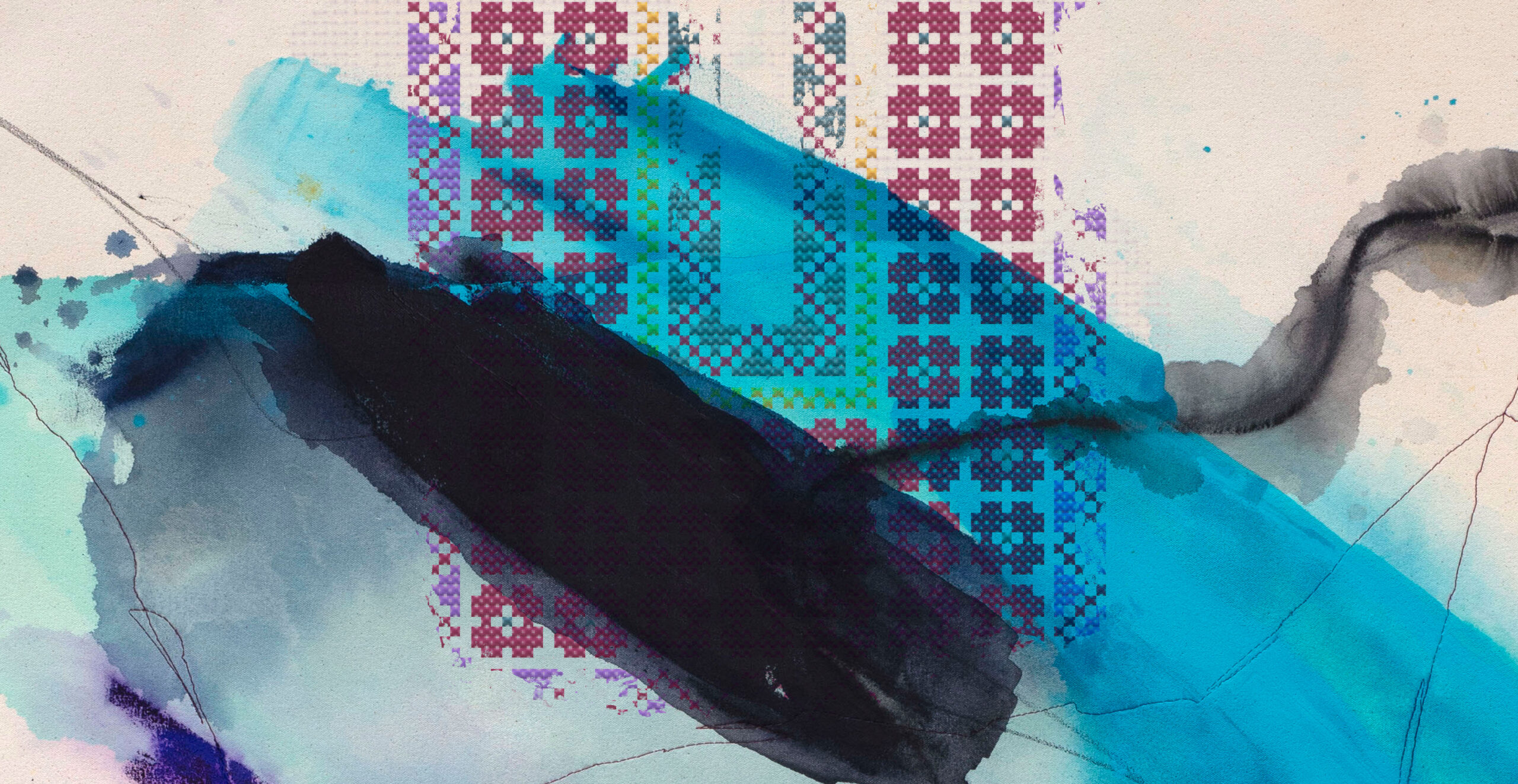
The generational series of reinterpreted sculptural dresses explores resilience, cultural memory, and identity through the exaggerated form of the Palestinian thobe, a traditional dress featuring distinctive tatreez cross-stitch embroidery that tells the wearer’s story and reflects regional cultural identity and land through its patterns and motifs. The project transforms painted canvases into large-scale sculptural dress forms designed for the outdoor landscape.
Inspired by the colors of nature, layered abstract surfaces are created on canvas using paint, texture, and mixed media. Layered within these compositions are Palestinian tatreez motifs (cross-stitch embroidery), such as the Cyprus tree, olive branches, and the tree of life, all symbols that carry connections to ancestry, place, and cultural continuity.
Though not wearable, the sculptural dresses honor the women of past, present, and future generations who carry Palestinian culture and traditions forward. The works speak to the resilience of remaining rooted in identity and heritage despite displacement, fragmentation, and distance from homeland.
Through painting, textile, and form, these dresses become a visual language of remembrance, resilience, and the enduring strength of cultural roots.
Posted ingeneral|Comments Off on The Land Lives Within Us
This project has taken many twists and turns; at its heart, it is about connection: to self, to place, and to the life that sustains us. In developing this work, I became so focused on the details that I lost sight of the bigger picture: the importance of connection. Yet the materials themselves are part of this story.
For this project, I am creating tree forms on orange and green construction netting held together by threaded tree shapes that I weave through the fabric. The trees represented are all fruit-bearing: orange, fig, plum, persimmon, and olive, among others. These trees depend on systems of pollination to thrive. The panels will be connected by wooden dowels staked into the ground to form a honeycomb shape. The hexagonal pattern represents the interconnected networks found in nature.
The structure will also resemble a ‘para-vento,’ a windbreaker commonly used on beaches in Portugal. Some of my most formative experiences have taken place in Portugal, a landscape that is also home to the fruit trees I am exploring in this work. As the wind moves through the netting and threaded forms, the installation becomes activated in its environment, emphasizing the ongoing exchange between the work and the natural world around it.
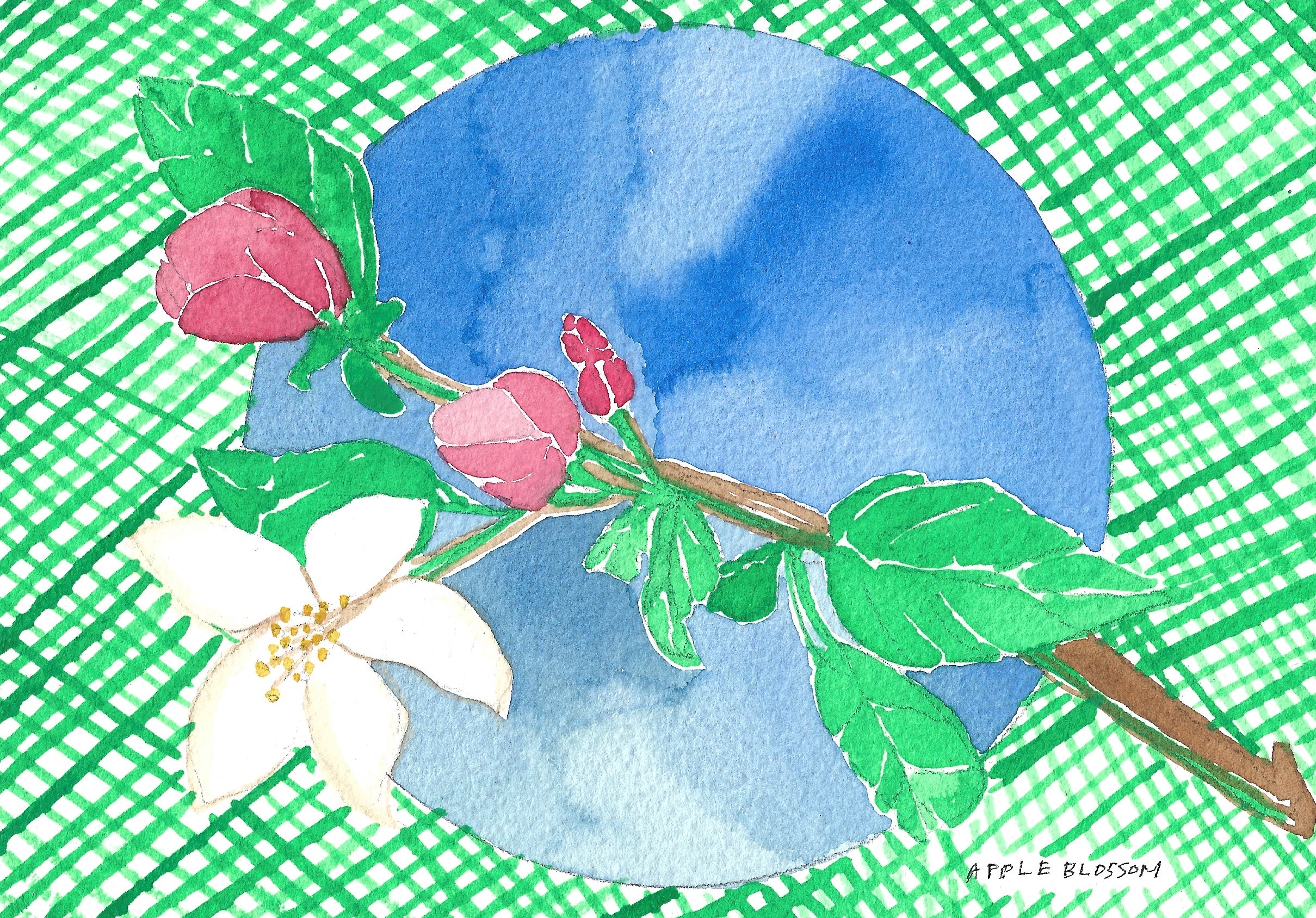
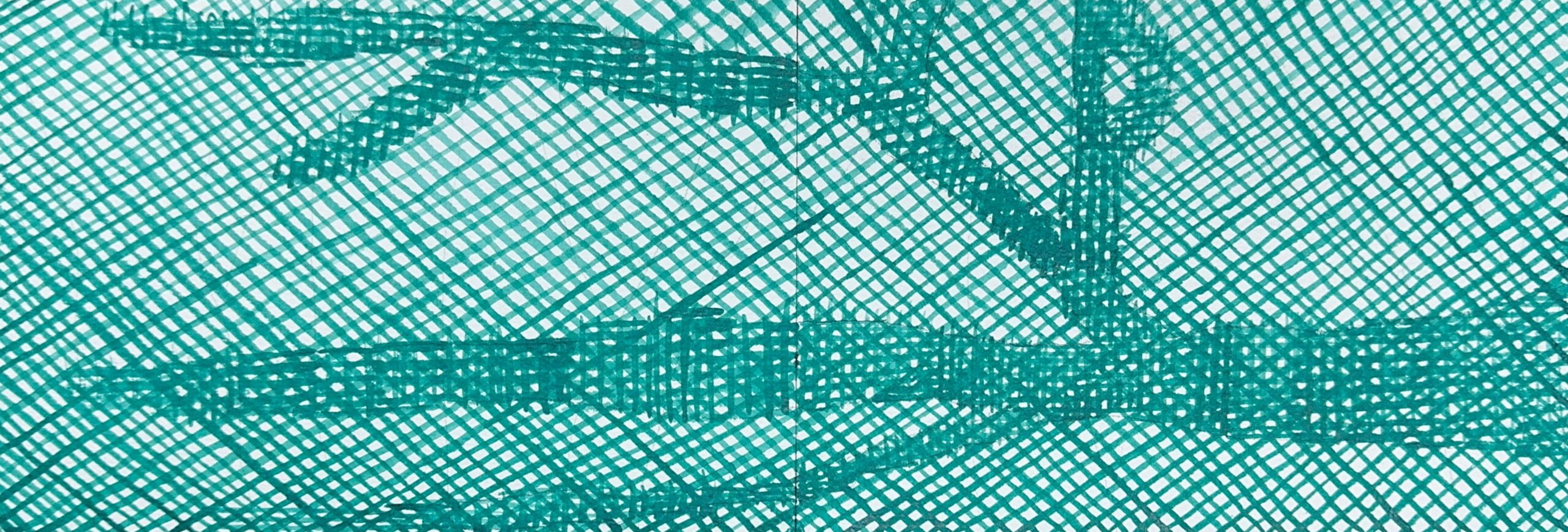
A watercolor study of green on green netting.
This project is rooted in the experience of living between two places, and the feeling of not fully belonging to either. By bringing these trees into a space where they do not naturally grow, the fruit trees become stand-ins for memory, migration and lineage.
I plan to complete the panels in Portugal and photograph them among the landscapes that inspired them. In this way, the project embodies its own network of connections: conceived in the US and physically created in Portugal and informed by direct observation of the trees themselves. The work becomes a living reflection on connection, and where we find ourselves within larger communities of human and non-human life.
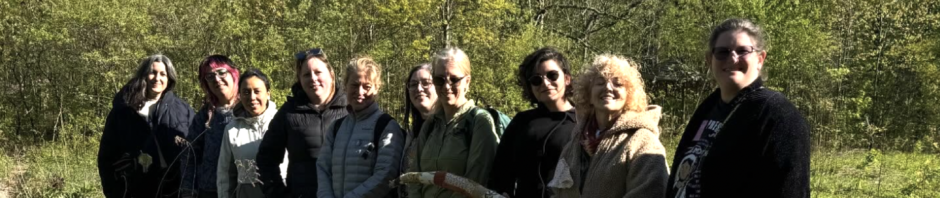
The fourteenth edition of the Wonder Women Residency Project called Root System asks artists to propose and create artworks as part of a thematic project developed through weekly group meetings over two months. The cohort of ten artists will discuss their ongoing projects, philosophies and processes surrounding the projects and planning for installation and performance. The residency will culminate in an outdoor exhibition at Wildflower Sculpture Park in South Mountain Reservation in September 2026.