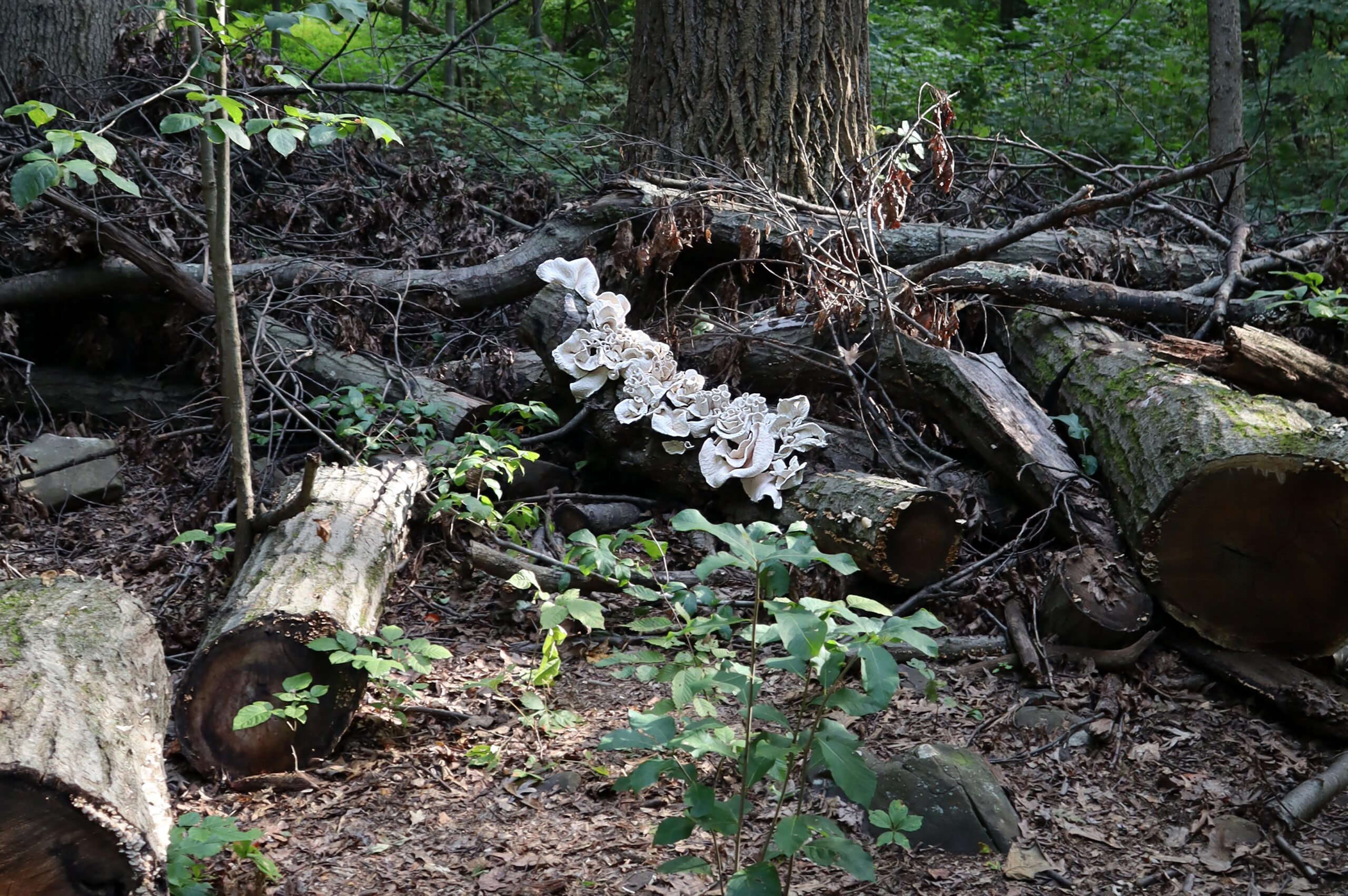
When I started this project, I had a pretty different idea of what it was going to look like. My original plan was to make the works out of wood, but after some iteration and a few technical issues, that plan didn’t really pan out. Without the laser cutter readily available, I would have had to construct everything by hand, considerably changing the feel of the forms to begin with. I considered working in paper, concrete or metal, but eventually settled on clay.
This was my first time working with ceramics, so there was definitely some trial and error. I wonder if I was influenced by some of the beautiful ceramic work my cohort was making, or if clay just seemed like the most readily available option at the time. Either way, working with it opened up the project in ways I hadn’t expected.
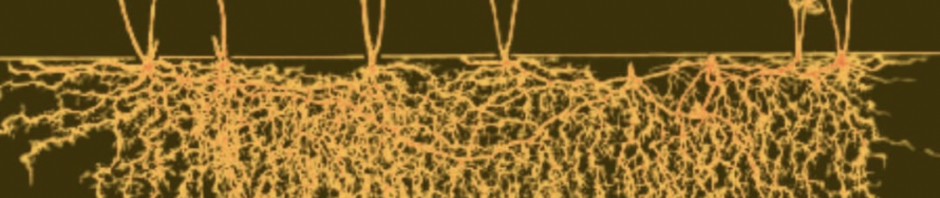
Originally, I had imagined a seeding and fruiting pair of sculptures, a system of roots that would grow outward and eventually become larger forms. The idea of growth is still there, but the forms took a pretty different direction.
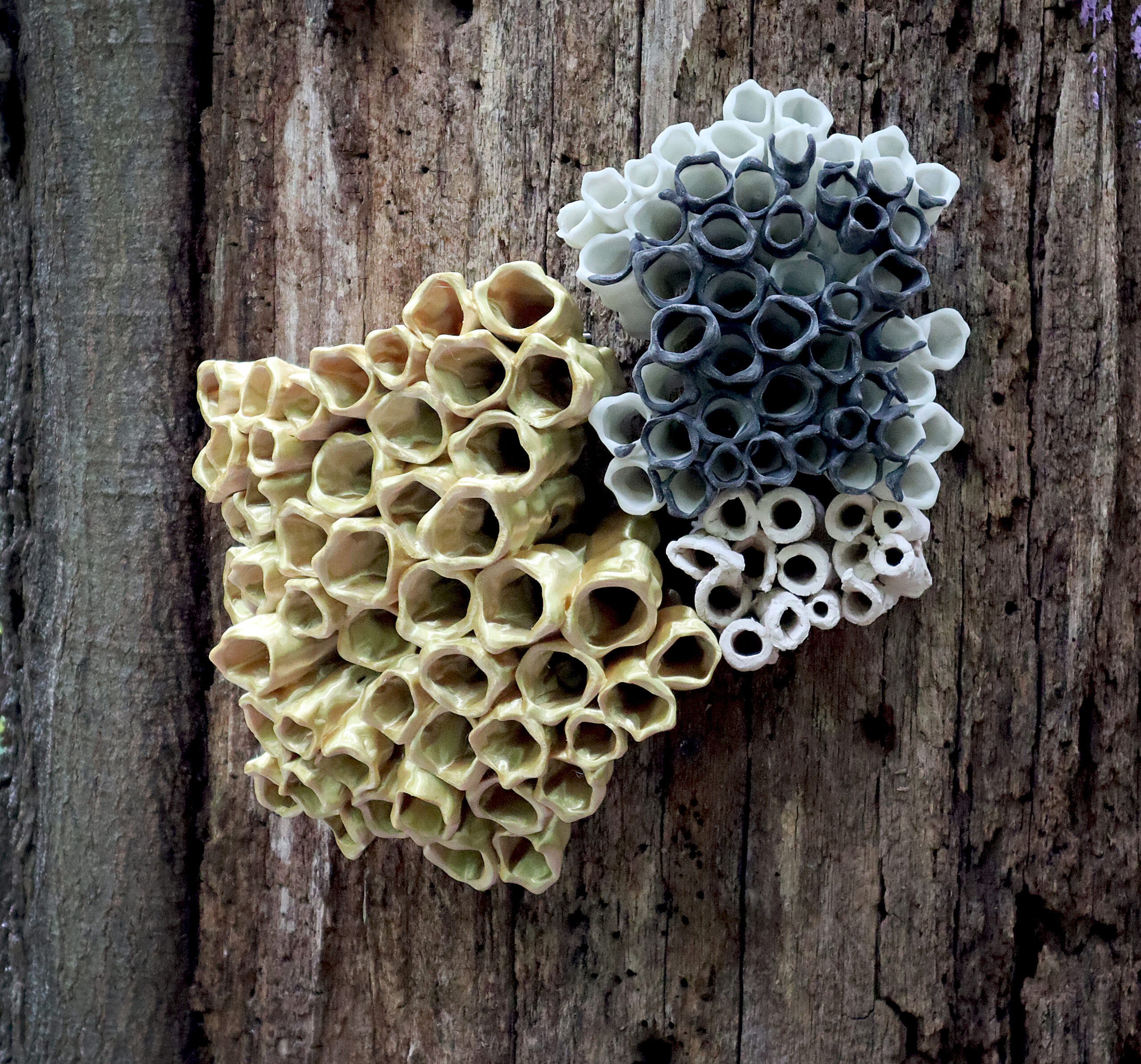
The smaller root systems became organic forms that reminded me of nests, mushrooms, hives, and clusters of growth. Bunched together, they seem almost like they’re growing from one another. Some feel like they could be emerging, while others look more like something that has already been abandoned.
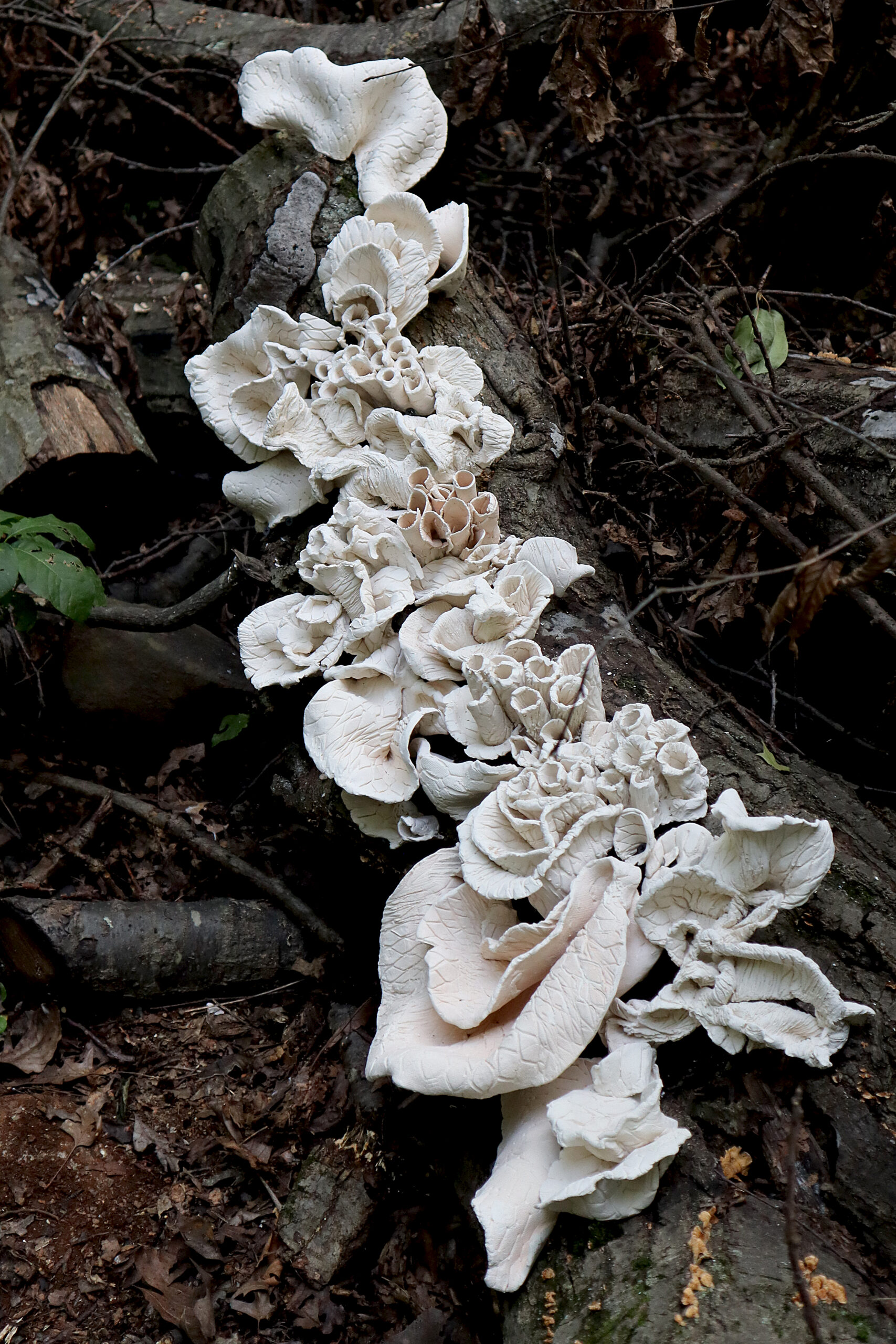
That idea of what is left behind became more interesting to me as I worked. I started thinking about shed skins, empty hives, bones, and other remnants of bodies and structures. Things that suggest something was once there, even though the thing itself has moved on.
This is where the title Molt started to make more sense to me. Molting is a physical process, but it also became a way for me to think about change more generally. A molt is evidence of a body that has outgrown itself. What remains can still look like a body, but it is no longer inhabited by one.
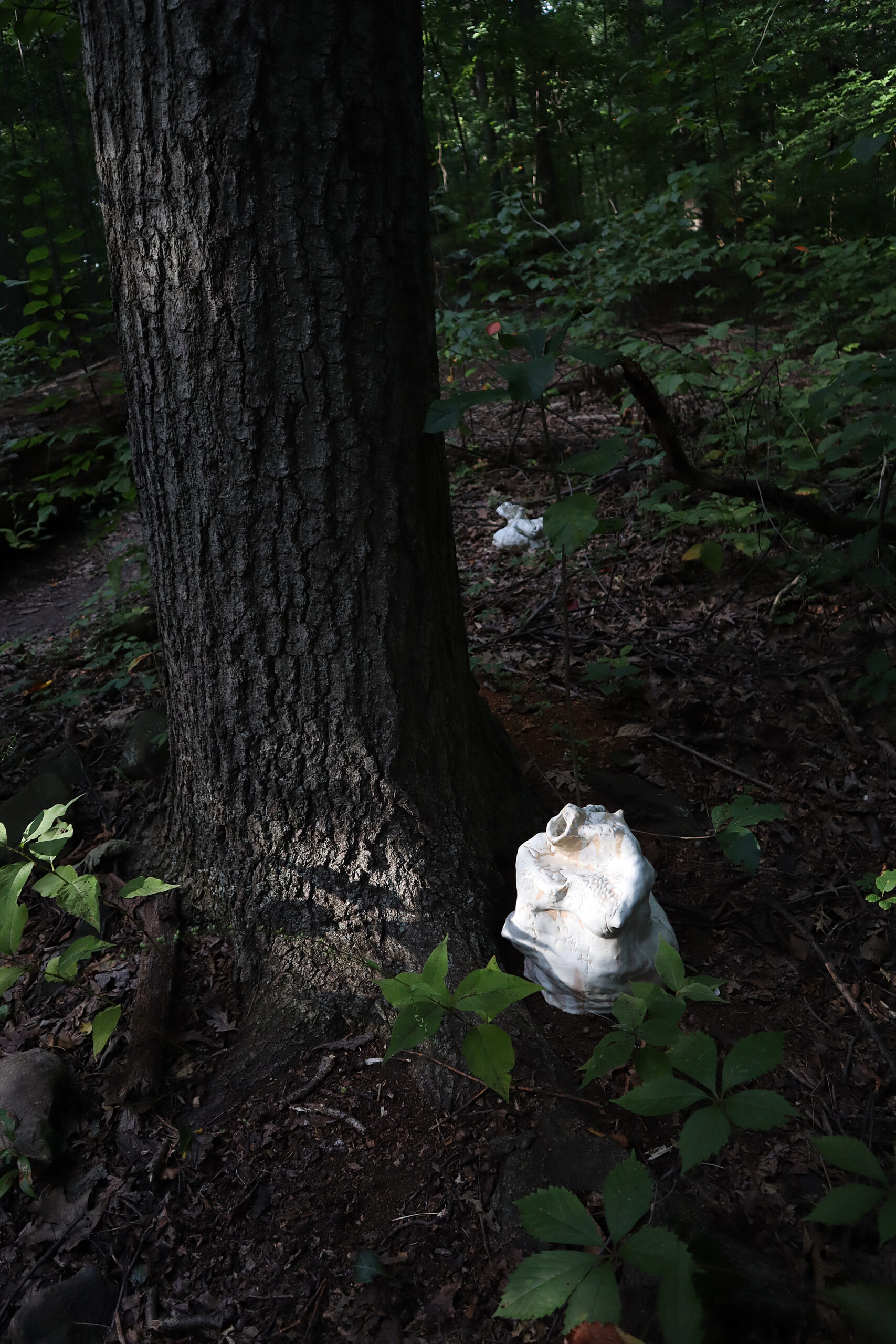
The 3D printed elements brought another layer into this. I had originally been thinking about digital fabrication as part of the construction of the piece, but once I began combining the printed forms with the clay, I became interested in the contrast and similarities between them. I wasn’t trying to make my handmade pieces look as though they were made by a machine, but rather have the machine imitate what I had done by hand.
A lot of the ideas behind Molt come back to my own experiences of migration and memory. I think about the things we leave behind as we move through places and identities, and the things that remain with us even when we have changed.
The final piece is different from what I imagined, but I think that is part of what makes the residency valuable. The technical problems, the unfamiliar material, and the work happening around me all pushed the project somewhere I couldn’t have completely planned for. What started as a project about roots and growth became more about what remains as we and our environments continually change.