As a lifelong resident of Greenpoint, Brooklyn I have a conflicted relationship with soil. Greenpoint has some of the highest levels of lead in New York City and testing the soil literally “in my backyard” revealed the shocking results of lead and other heavy metal content much higher than what the Environmental Protection Agency (EPA) deems to be safe. As someone who is passionate about gardening, I have since been on the long road of coming to terms with these results and determining how and in what way I will relate with the soil moving forward. I continue to research the risks and recommended precautions, as well as proposed methods of remediation.
My interest in gardening also extends to “houseplants” – determining what conditions they require to thrive and learning how to propagate them. In many ways, my relationship with plants and soil has helped me through increasingly challenging and uncertain times. Some studies have even indicated that microbes in soil may have naturally occuring antidepressant effects similar to Prozac.
My proposed WW11 project involves propagating some of my existing plants and sharing them with the public for free – creating a situation that provides the opportunity for and facilitates dialogue about issues of contamination. A twist on this gift economy is that the plants will be growing in soil in that consists of a combination of “contaminated” soil from my backyard, compost, and store bought soil. I will create identifying labels/signage to explain that this soil may contain contaminants such as lead and arsenic. Through this project, the public will confront with their own relationship with soil and potential contaminants as well as provide specific information to educate them about the reality of soil contamination as well as precautions and tips on safe handling. Some of the considerations I would like to work through within the residency are potential ways to register public feedback and document these interactions and dialogues that result from this project.
Some larger questions this project will consider include: What are the socio-economic and cultural conditions that result in some areas being more heavily contaminated than others? How can local communities come to terms with contamination? What role does gentrification play in the process of remediation and access to funds to clean up these toxins? How does our personal relationship to the natural environment affect our global connection to natural world?
Ultimately, feeling alienated from the Earth (soil, water, air) makes it easier to continue to defile it. Rebuilding this relationship between humans and soil as the foundation for life, encourages people to be good stewards of the nature and to realize that destroying the earth is actually destroying ourselves.
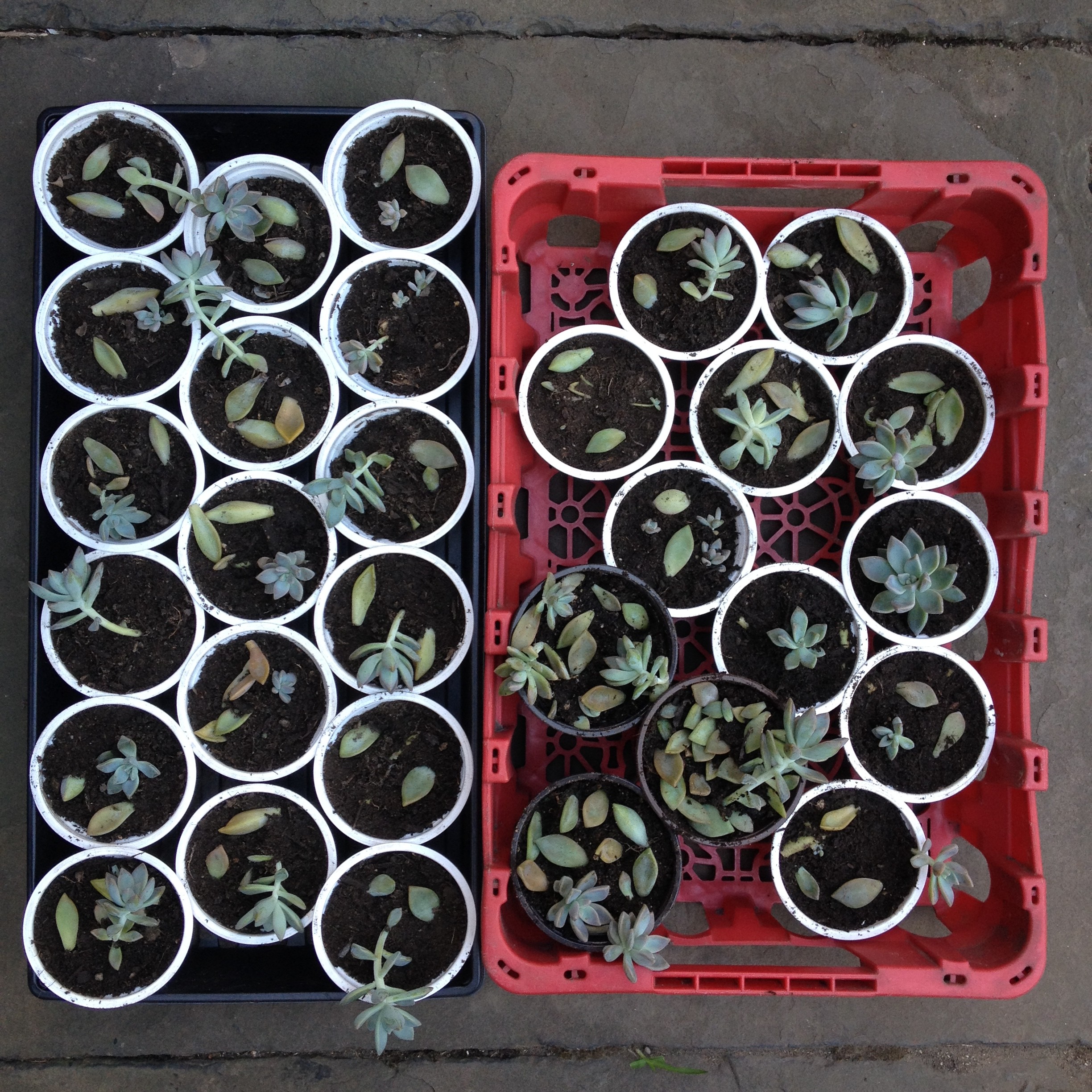
Experiments in Propagating Plants 2016
