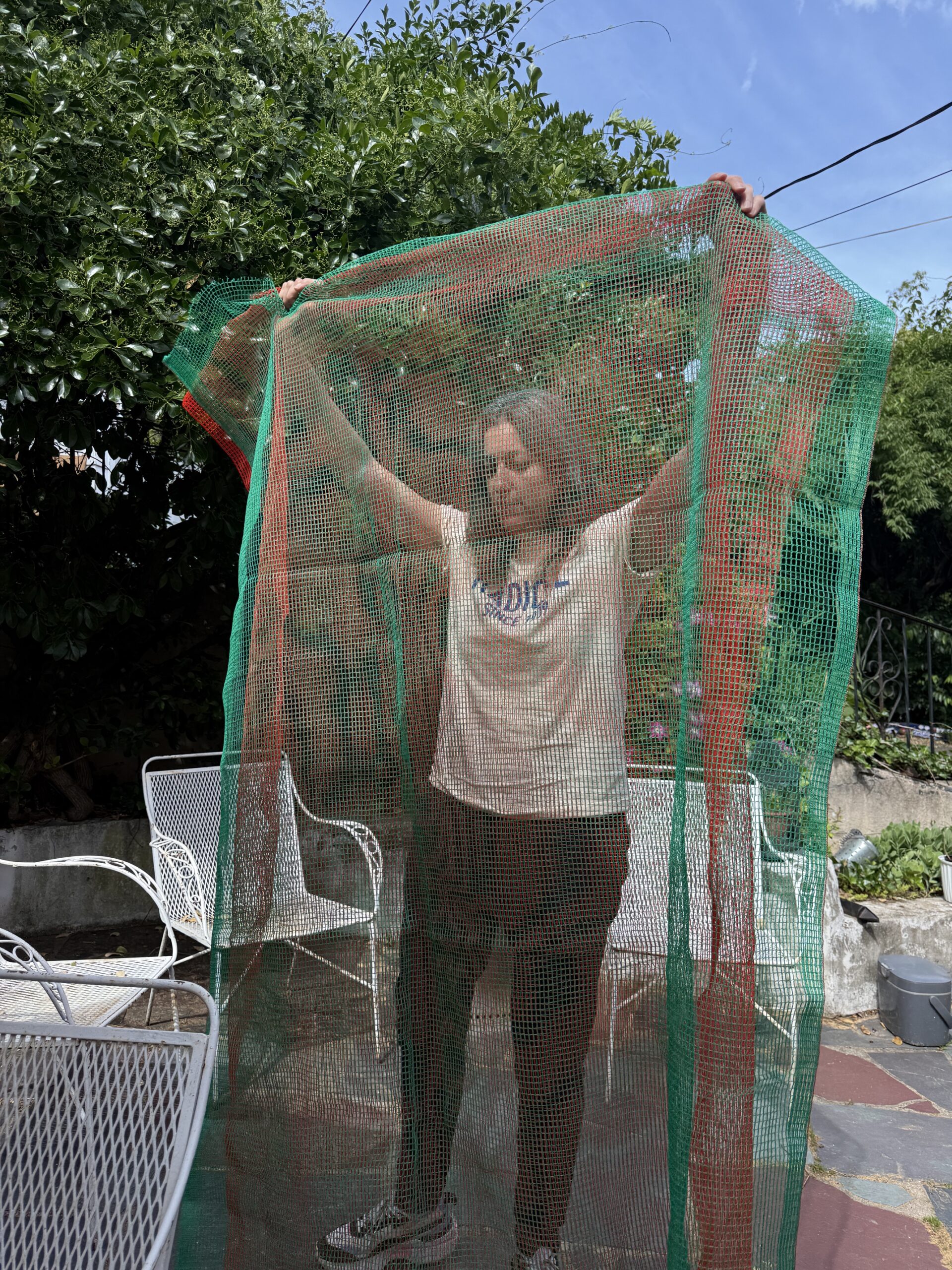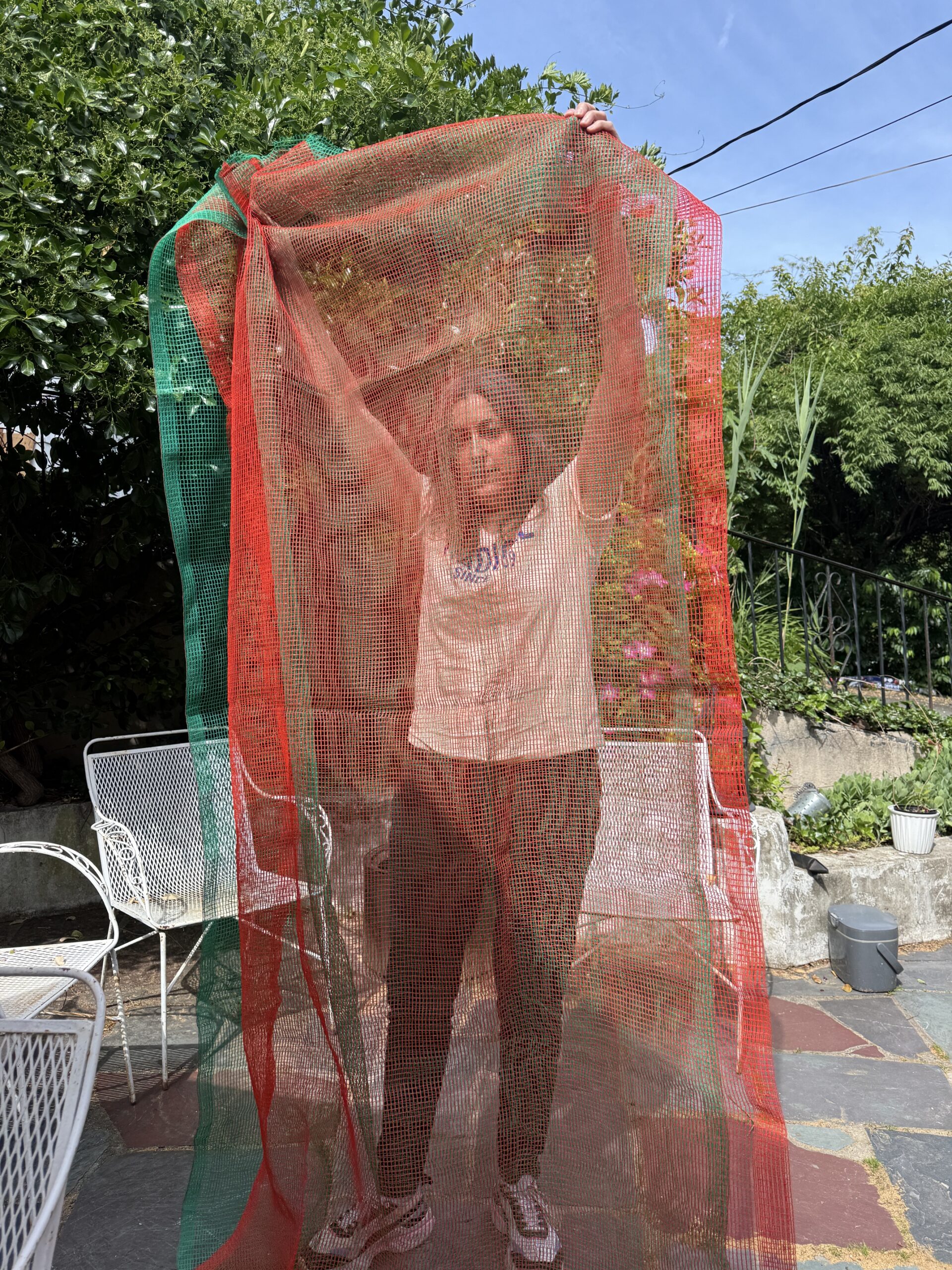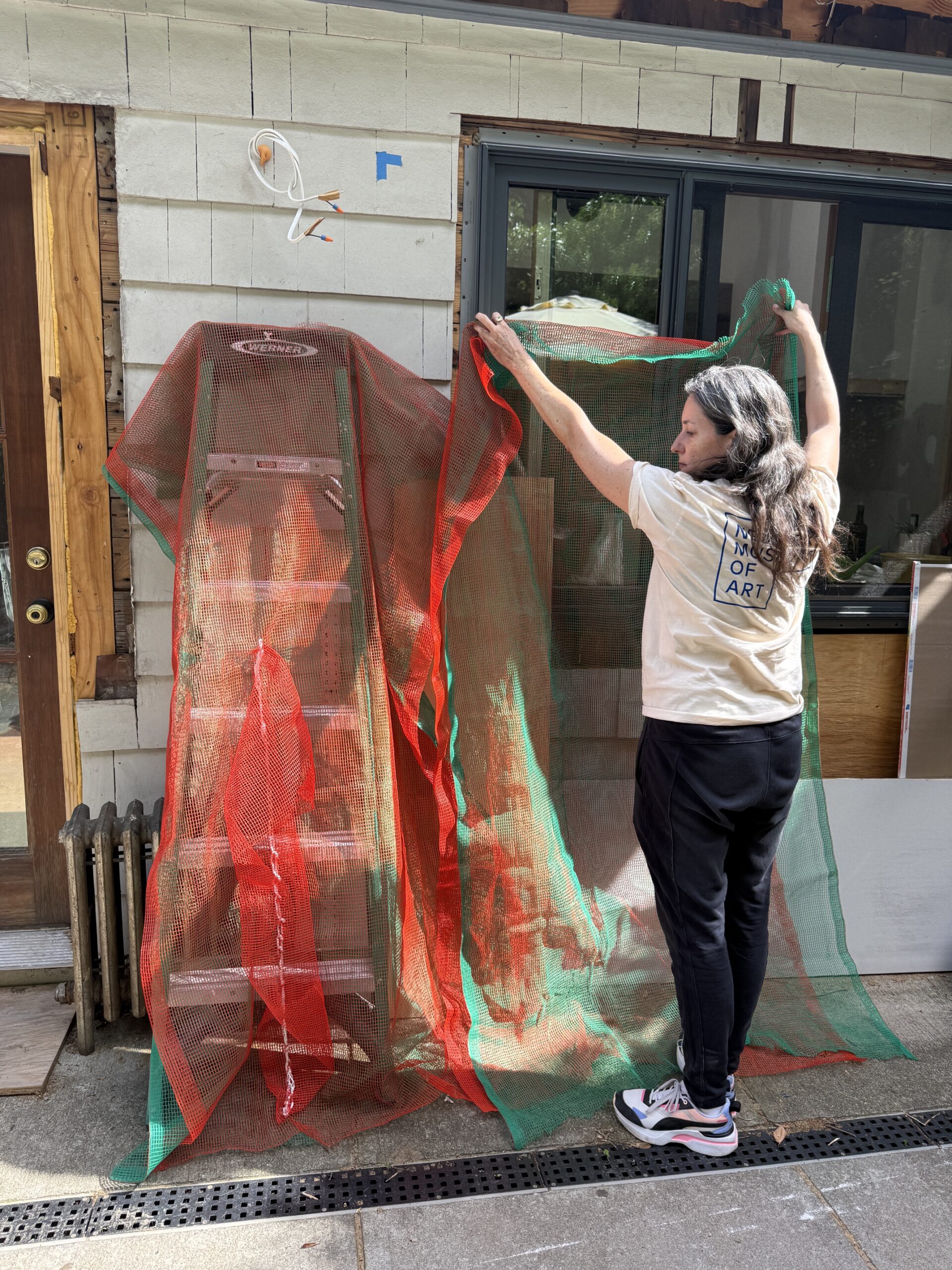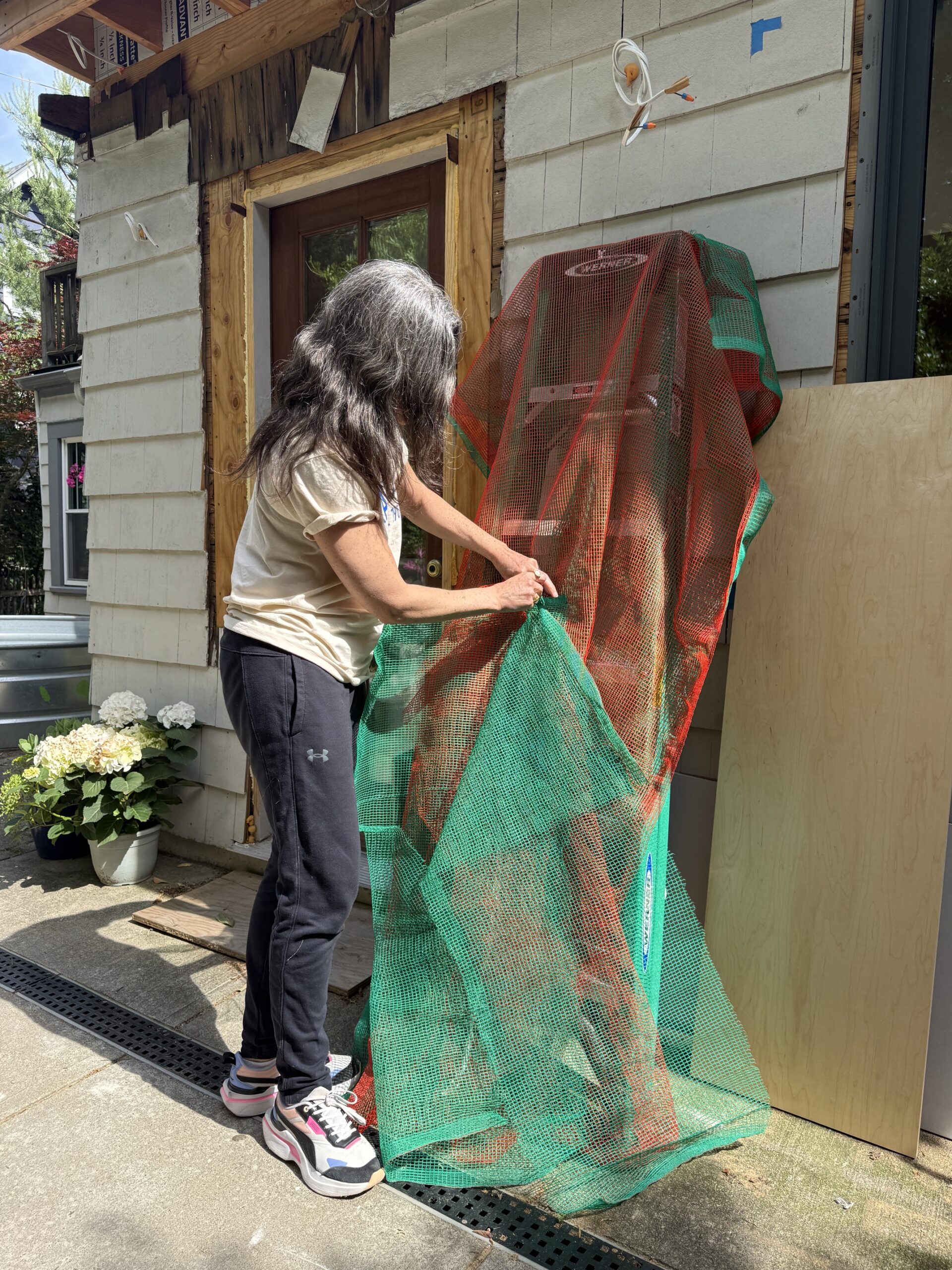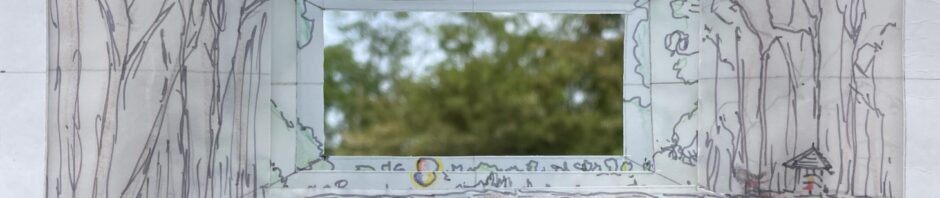
This project has taken many twists and turns; at its heart, it is about connection: to self, to place, and to the life that sustains us. In developing this work, I became so focused on the details that I lost sight of the bigger picture: the importance of connection. Yet the materials themselves are part of this story.
For this project, I am creating tree forms on orange and green construction netting held together by threaded tree shapes that I weave through the fabric. The trees represented are all fruit-bearing: orange, fig, plum, persimmon, and olive, among others. These trees depend on systems of pollination to thrive. The panels will be connected by wooden dowels staked into the ground to form a honeycomb shape. The hexagonal pattern represents the interconnected networks found in nature.
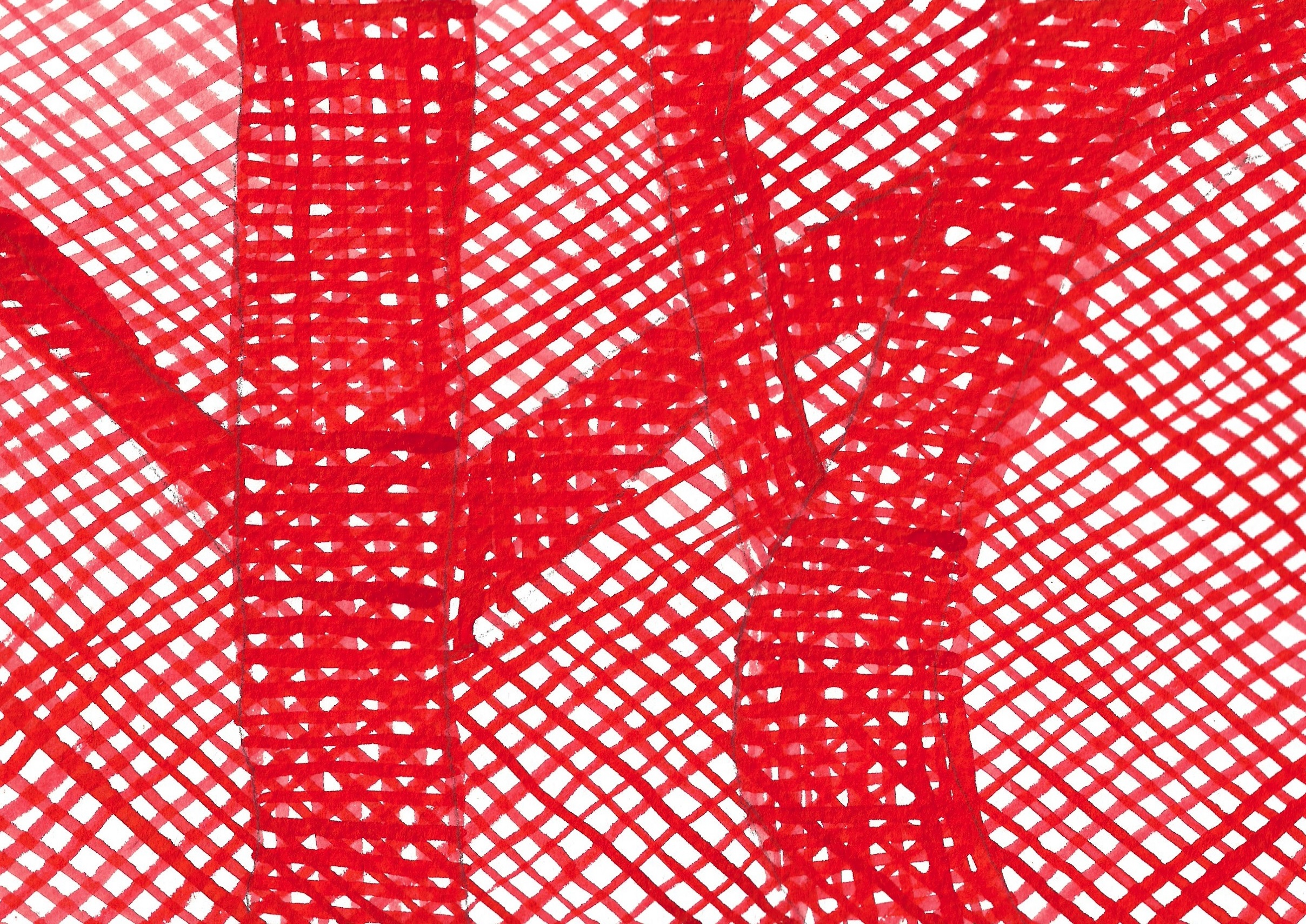
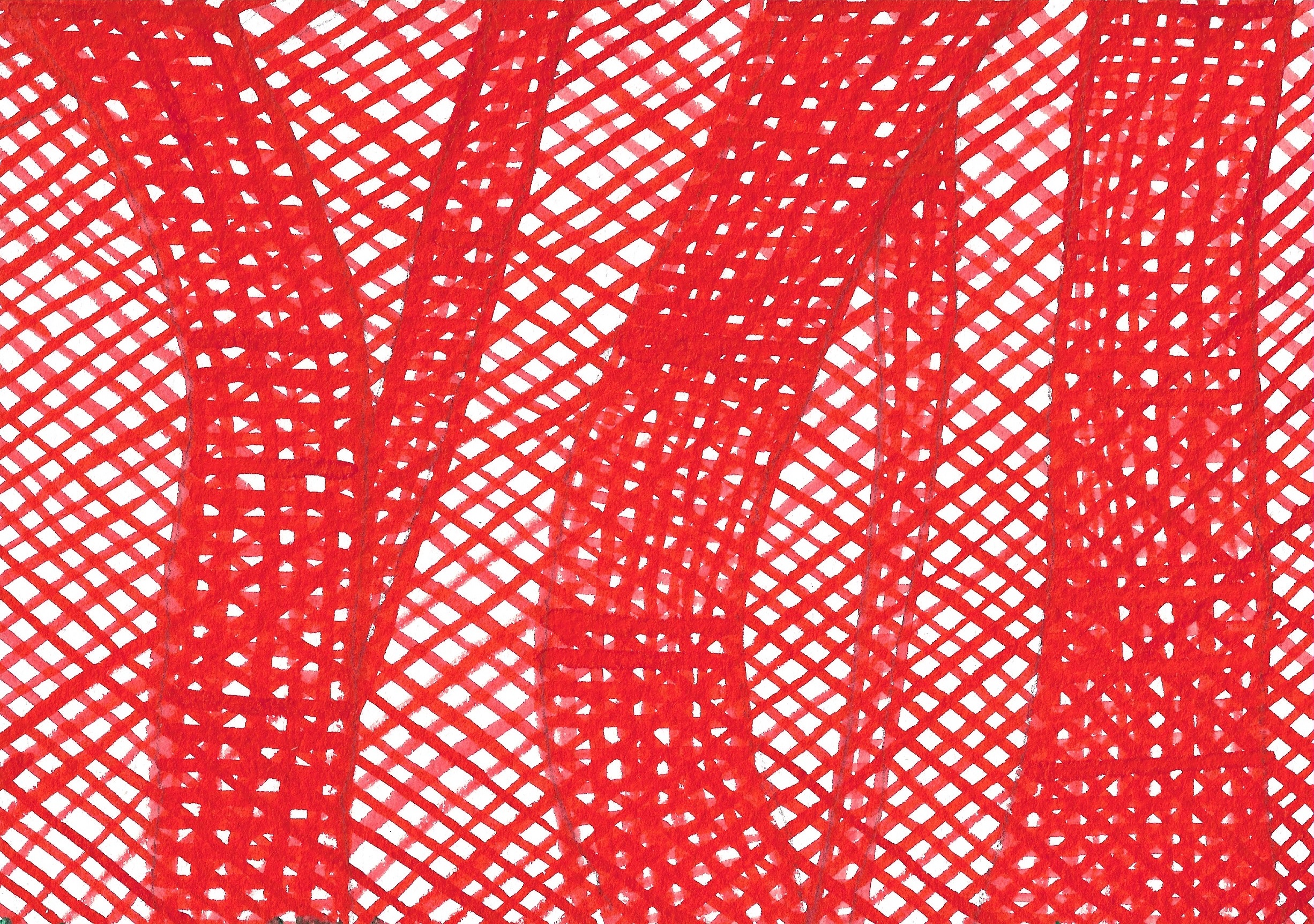
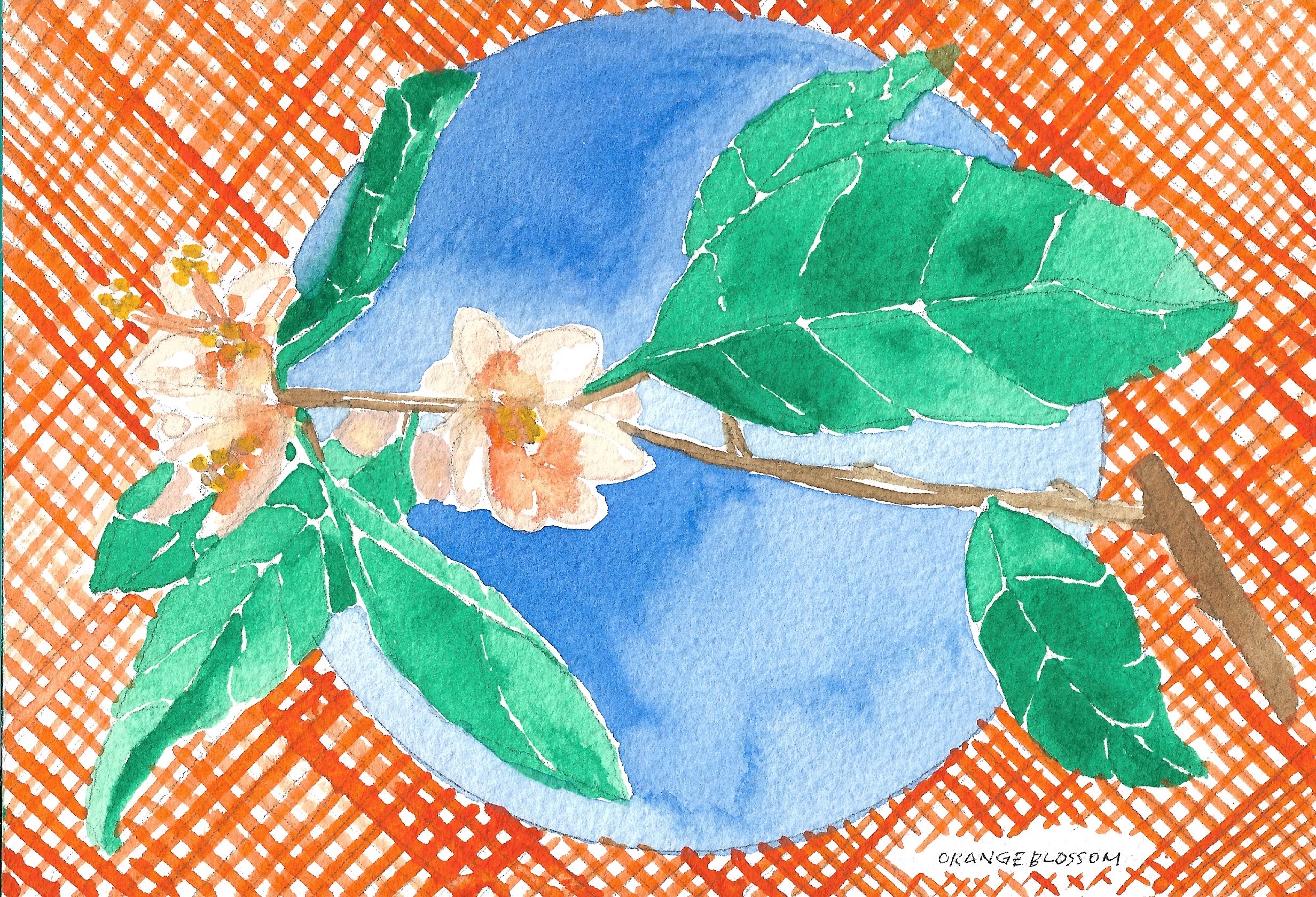
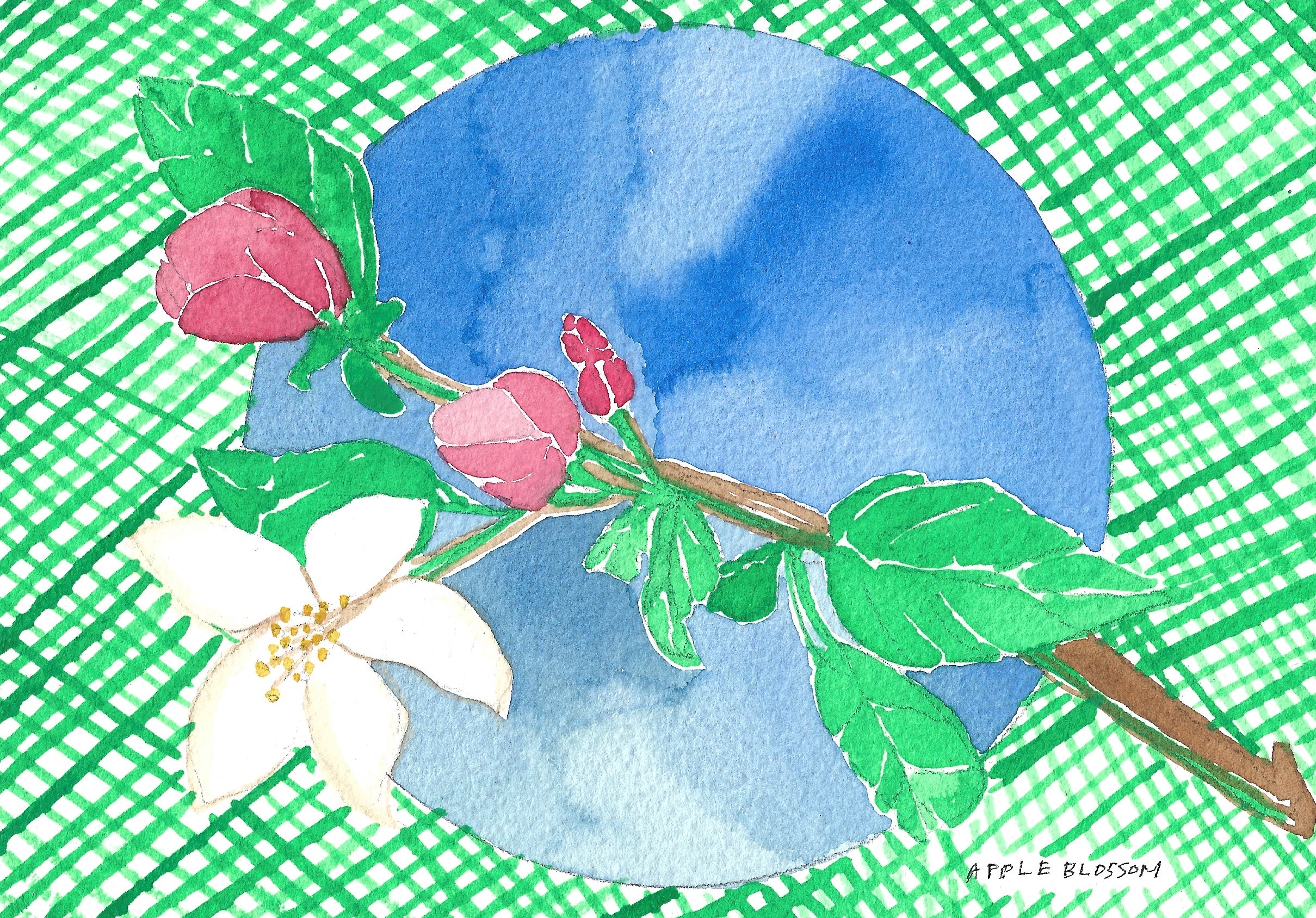
The structure will also resemble a ‘para-vento,’ a windbreaker commonly used on beaches in Portugal. Some of my most formative experiences have taken place in Portugal, a landscape that is also home to the fruit trees I am exploring in this work. As the wind moves through the netting and threaded forms, the installation becomes activated in its environment, emphasizing the ongoing exchange between the work and the natural world around it.
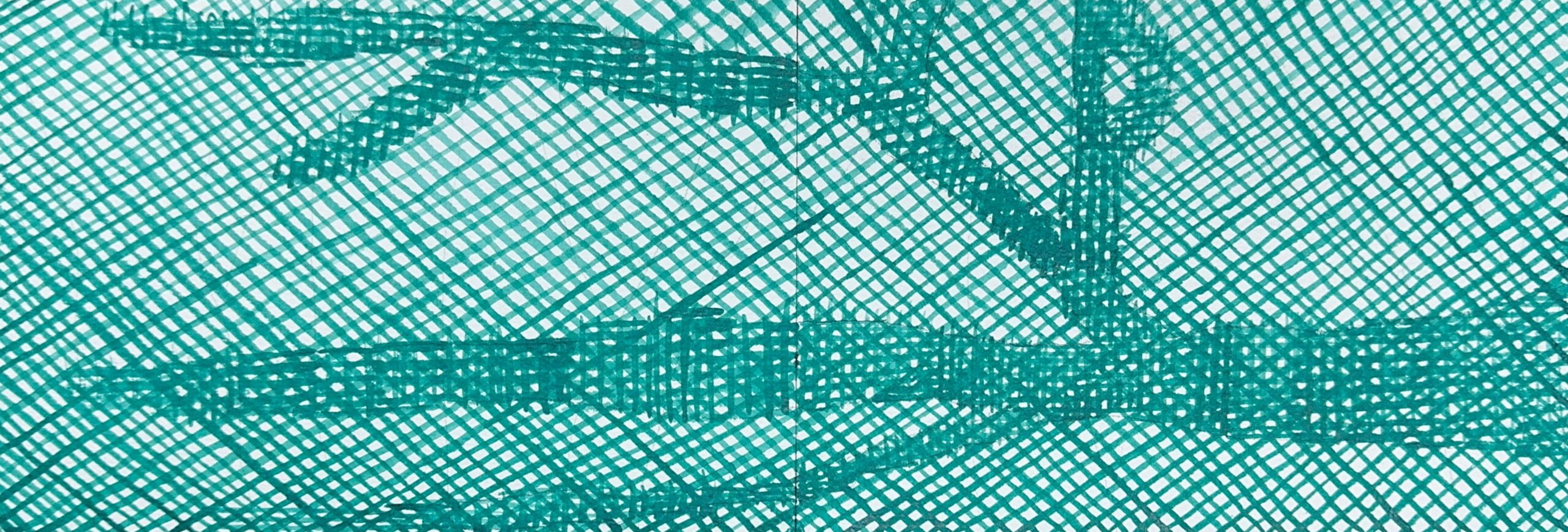
This project is rooted in the experience of living between two places, and the feeling of not fully belonging to either. By bringing these trees into a space where they do not naturally grow, the fruit trees become stand-ins for memory, migration and lineage.
I plan to complete the panels in Portugal and photograph them among the landscapes that inspired them. In this way, the project embodies its own network of connections: conceived in the US and physically created in Portugal and informed by direct observation of the trees themselves. The work becomes a living reflection on connection, and where we find ourselves within larger communities of human and non-human life.