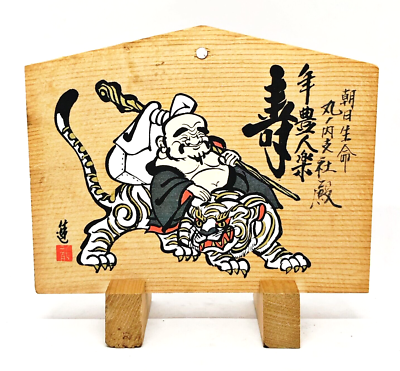
Ema are small, traditional Japanese wooden votive plaques, often decorated with images of horses, animals, or shrine-specific symbols on a plain background. Worshippers write their wishes or prayers or wishes using markers or pens on the backs of ema boards, which are then hung on designated racks (ema kake) at Shinto shrines and Buddhist temples. The name ema, meaning “picture horse,” stems from the ancient custom of donating actual horses for favorable prayers. Horses are also considered messengers to the kami (gods).
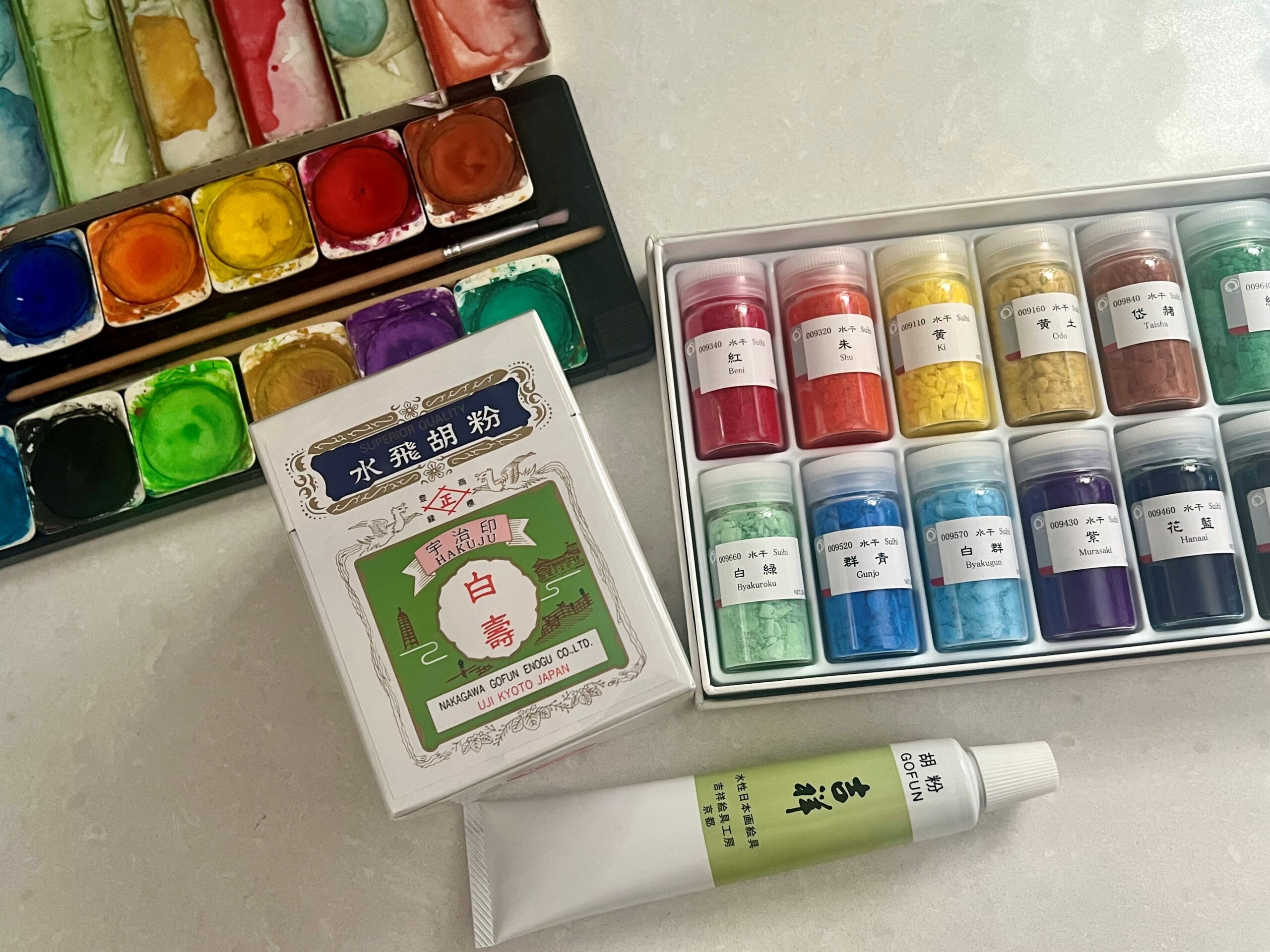
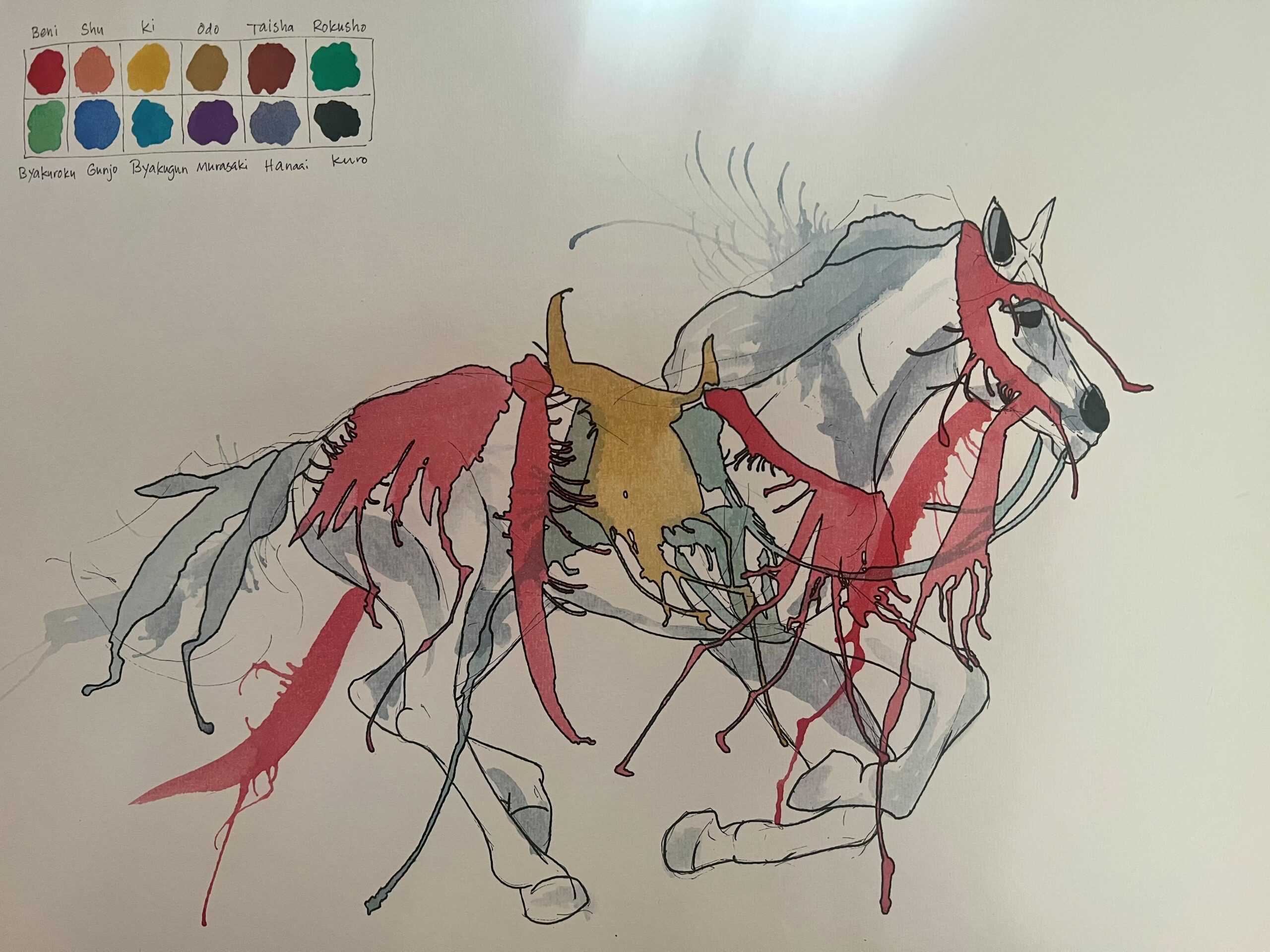
I intend to create a large-scale hand painted version of an ema that will sit amongst the trees in the Wildflower Sculpture Park preserve in South Mountain Reservation for a period of time. I plan to use gofun and Japanese mineral pigments to paint on pine wood. Traditionally, ema are most commonly made from cypress (hinoki), cedar, or pine, chosen for their durability and resistance to weather. I will also seal the painting with shellac and then a water-based polyurethane.
Gofun is a traditional Japanese white pigment derived from crushed, calcined, and refined (primarily oyster, clam, or scallop) seashells. Its main component is calcium carbonate, which produces a fine, matte, and opaque white powder. Historically and currently, it is utilized as a primer (similar to gesso) to create a smooth, bright white base, as well as for painting directly or mixing with mineral pigments and nikawa, animal glue, (to act as a binder) in Nihonga paintings and on traditional objects like ema or for coloring the skin of traditional dolls and Noh masks.
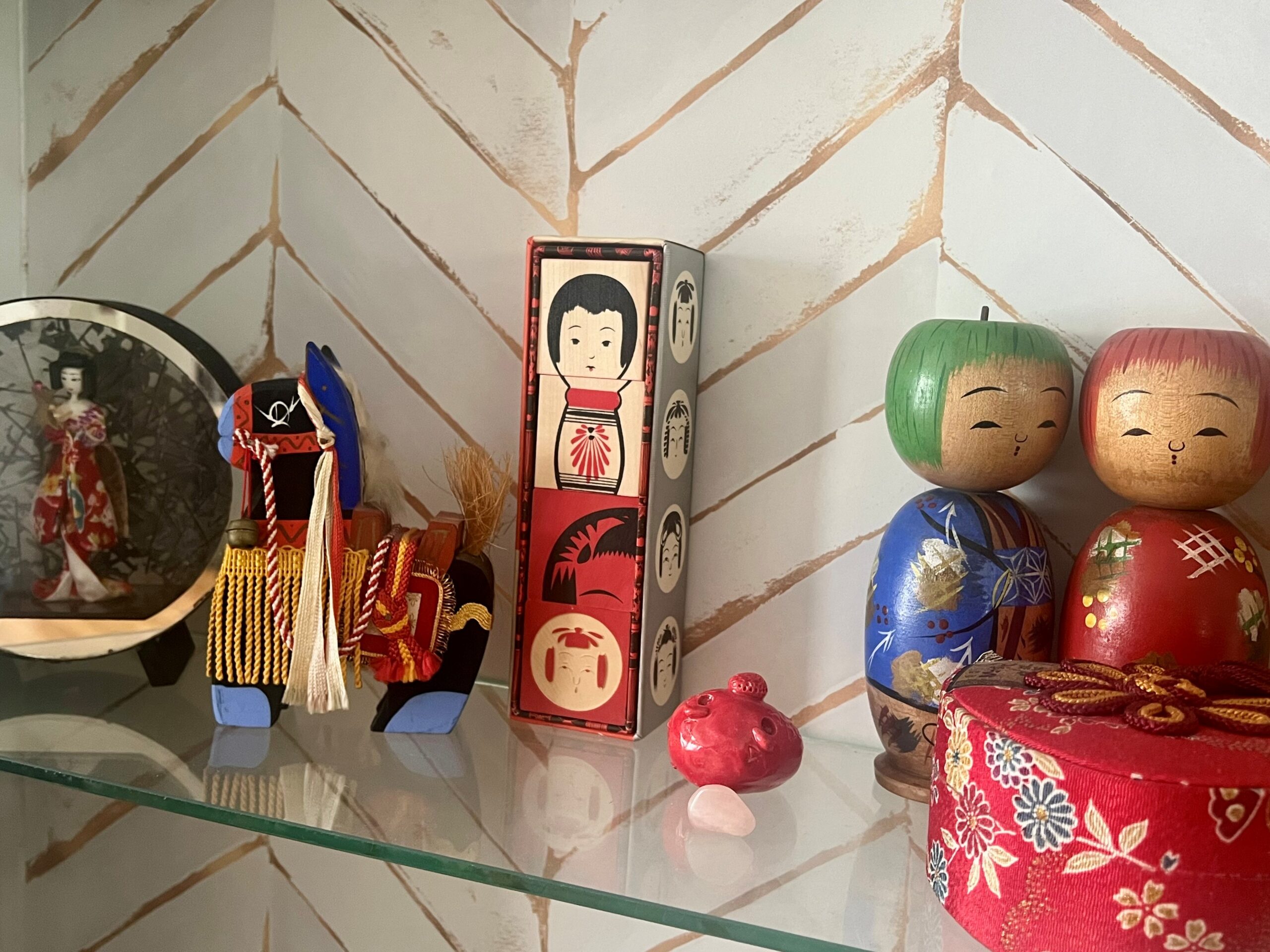
Older Japanese ema often featured a white background symbolizing the spiritual purity required to present wishes on a clean slate directly to the gods, with white horses historically being used to pray for clear skies (and black for rain). White is considered the primordial color of the sacred, purity, and holiness in Shinto tradition. Larger votive paintings from the Edo period often used painted backgrounds to make the central subject (the horse) stand out, a practice that evolved into the standard, simplified plaques.