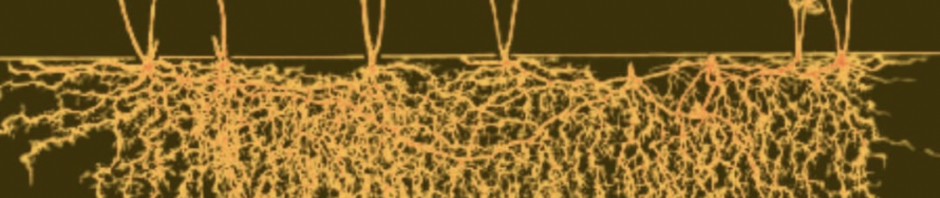
Here are some examples of projects involving “autobiographical” maps.
An (as yet) incomplete paper I wrote listing these examples can be found here.
I Am Here: Artists Making Maps as Autobiographical Geographies
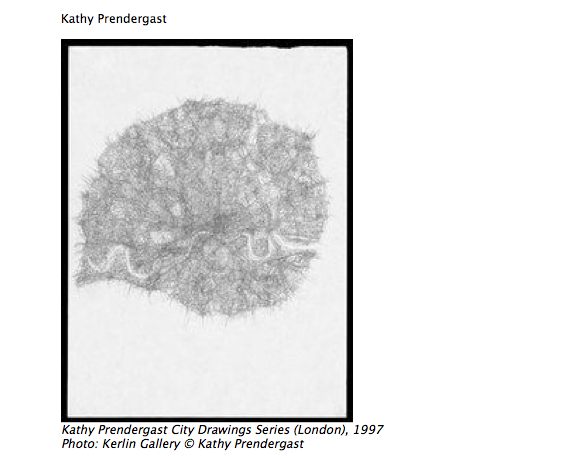

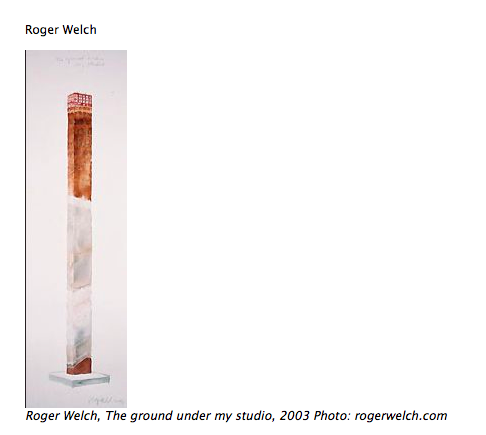
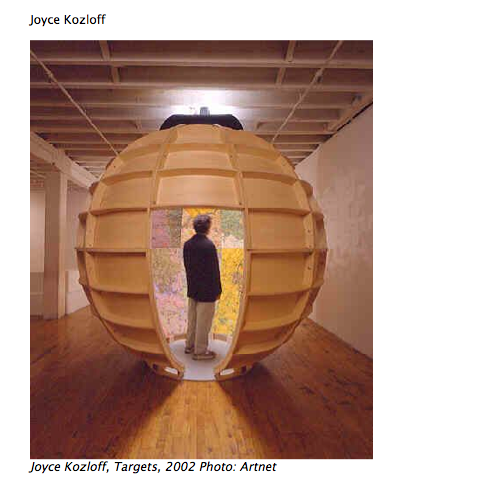
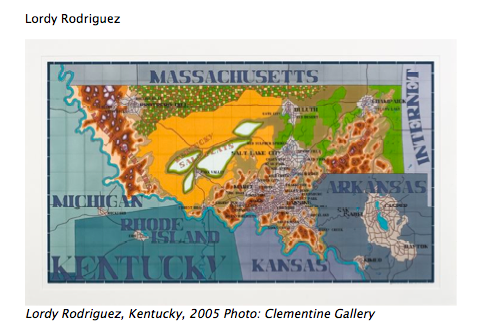
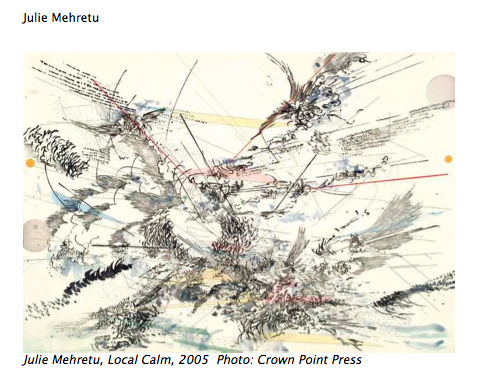
opening excerpt from paper:
I Am Here: Artists Making Maps as Autobiographical Geographies
by Doris Cacoilo
I was driving west towards the city of Salamanca in Spain, on a gorgeous
scorching summer day. The land was flat and empty. We would stop in
Salamanca to refuel and then turn north on our way to Bilbao. Sean is
navigating from the passenger seat. In the long expanses between turns
he would explore our road map, explaining many of his discoveries,
clarifying anything we might be seeing and may want to stop for. We had
luckily found the map in a drawer of my bedroom, a very good road map,
detailed and extensive. My brother must have left it behind the summer
before when he had driven to Spain from our summer home in Portugal.
The windows in the car are open, the air rushing into the car fluttering
the paper of the map, twisting and folding it in his hands. “Be careful with
the map,†I tell him, “we don’t want to lose it.†We arrived in Salamanca
and switched, Sean gets into the driver’s seat. We find our way out of the
city and onto the road north to Bilbao. We still have many hours left to
travel in the scorching sun, before sundown will give us some relief.
I am fanning myself with our folded road map, neglecting my own earlier
warning to Sean. A huge gust of air sweeps in through the open window
and grabs hold of the corner of the folded map. The map explodes open
and is sucked out into the air above the highway. A tractor-trailer cab
behind us instantly collects the map, it is glued to the grill, frozen
perfectly covering the front of the truck. It is unfolded and entirely
vulnerable. Sean and I are silent. My mouth has flown open and as I stare
at the map, glued to the truck behind us, I cannot say a word. Sean does
not dare say a thing, but I know what he is thinking. We sit in silence, the
map following behind us for what seems like an eternity. “I miss the
map,†I eventually mutter, and I did.
Maps play an important role in our lives, giving us security, guidance and
the power to explore. They give us a factual, unquestionable reality that
allows us to faithfully follow their instructions, believe their
representations and trust their paths, even and especially into unknown
territories. They allow us a view into worlds we may not know and help us
feel the courage to venture out to new places, better understanding them
as we go, giving us a bird’s eye view of our location, giving us a bigger
picture. The maps in our lives contextualize our spaces, our location and
our time. They give us a picture of space, guide us through it, and help
us record it. Maps become personal assistants, navigators, political tools, illustrations of boundaries and ownership, historical documents, records of experience and even road companions. In all of their roles they seem
to provide us service and we trust in the service they provide. When we
are suddenly with out them, we may feel lost.
Traditionally, map making is a scientifically driven art with the purpose of
organizing and representing information. This information is usually
associated with geographic boundaries, history, natural landscape,
topography and transportation. Many contemporary artists use the tools
cartography provides, to achieve personal expressions which often
appear as maps, recognizable by the iconography of the tools.
